
2026’s 30 under 30: Women Who Make History
Across the world today, young women are stepping up and showing up for their communities as organizers, innovators, and leaders. From climate change to education to human rights, their work reminds us that change often begins with our younger generation who want to see a better lives for themselves and for their communities.
Yet, between the intersections of age, gender, and sexuality, these are the stories we don’t often see in the classroom.
When At a time when political tensions, environmental crises, and social inequalities continue to shape our global landscape, it is more important than ever for students to understand the idea of international solidarity. International solidarity recognizes that struggles for justice in one part of the world are often connected to struggles everywhere else. On one hand, young people in Uganda planting trees may feel separated from organizers in Pakistan advocating for education access and or students in the United States fighting for voting rights, but they all share a common belief. They all believe that when organized from the bottom up, communities have the power to build a better future through people-centered action.
Fortunately for so many, these young women that we’ve selected for this year’s 30 Under 30 have been central key players in creating change for their communities. Between challenging gender inquality or organizing around climate strikes, they demonstrate that leadership does not depend on age or position, but on commitment, courage, and community.
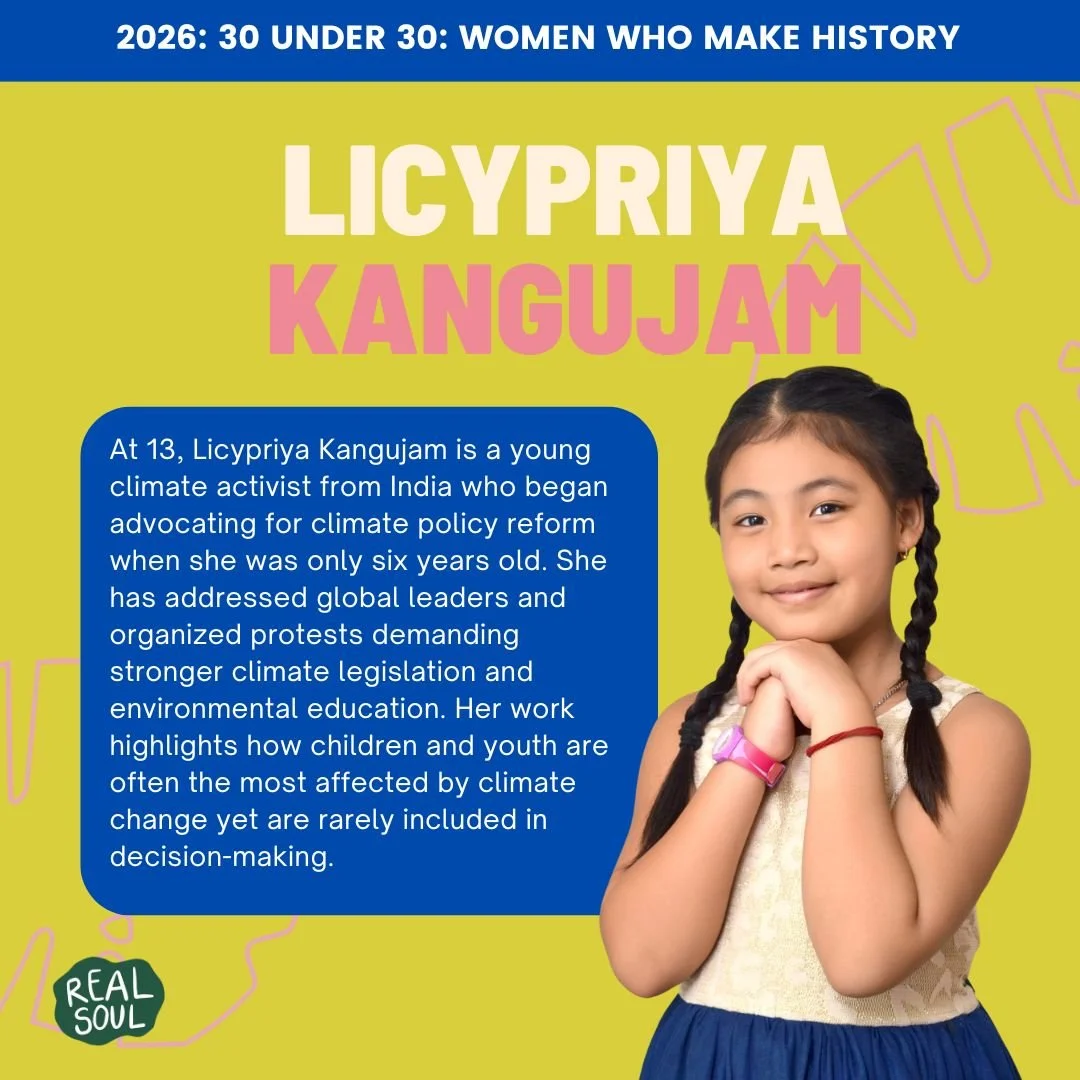
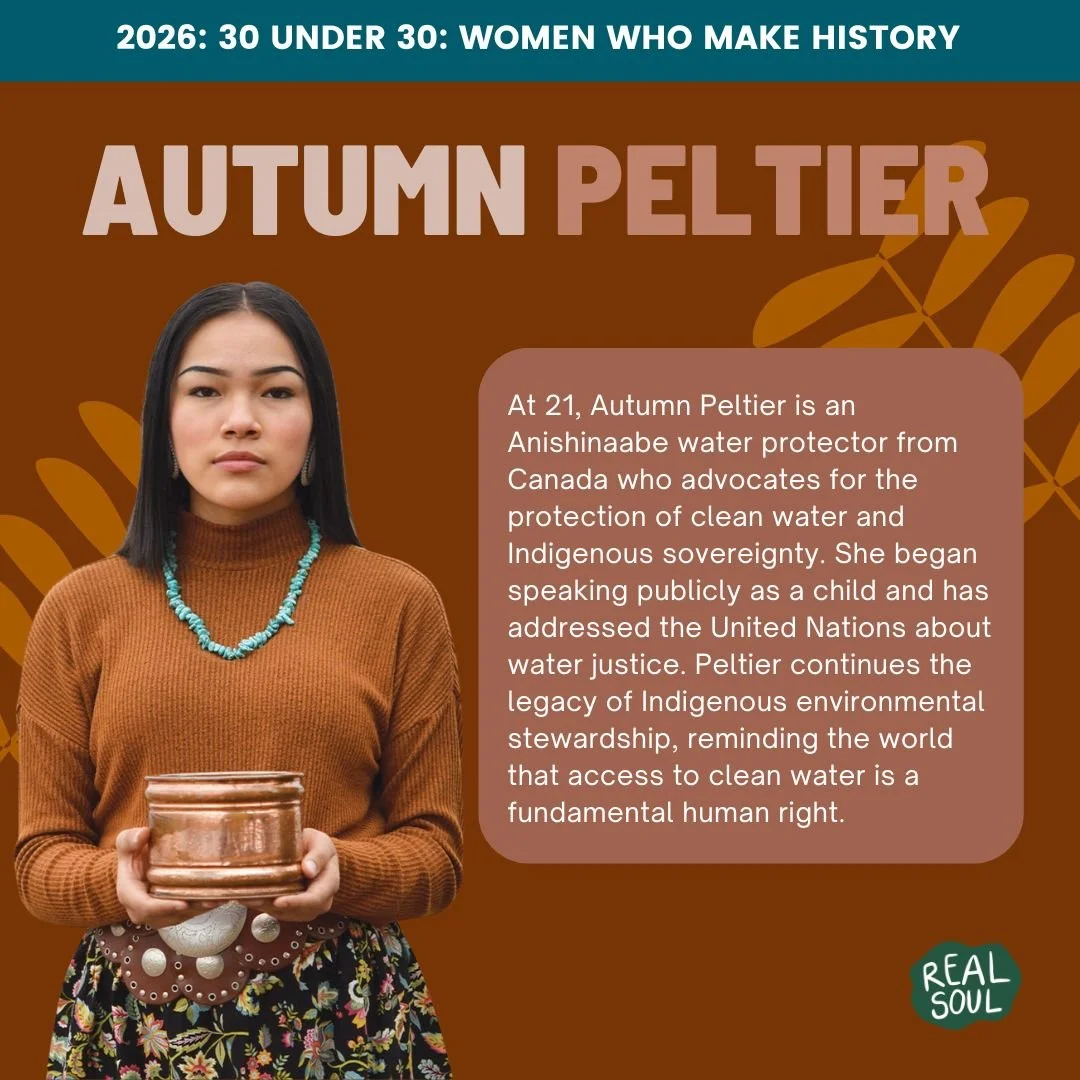
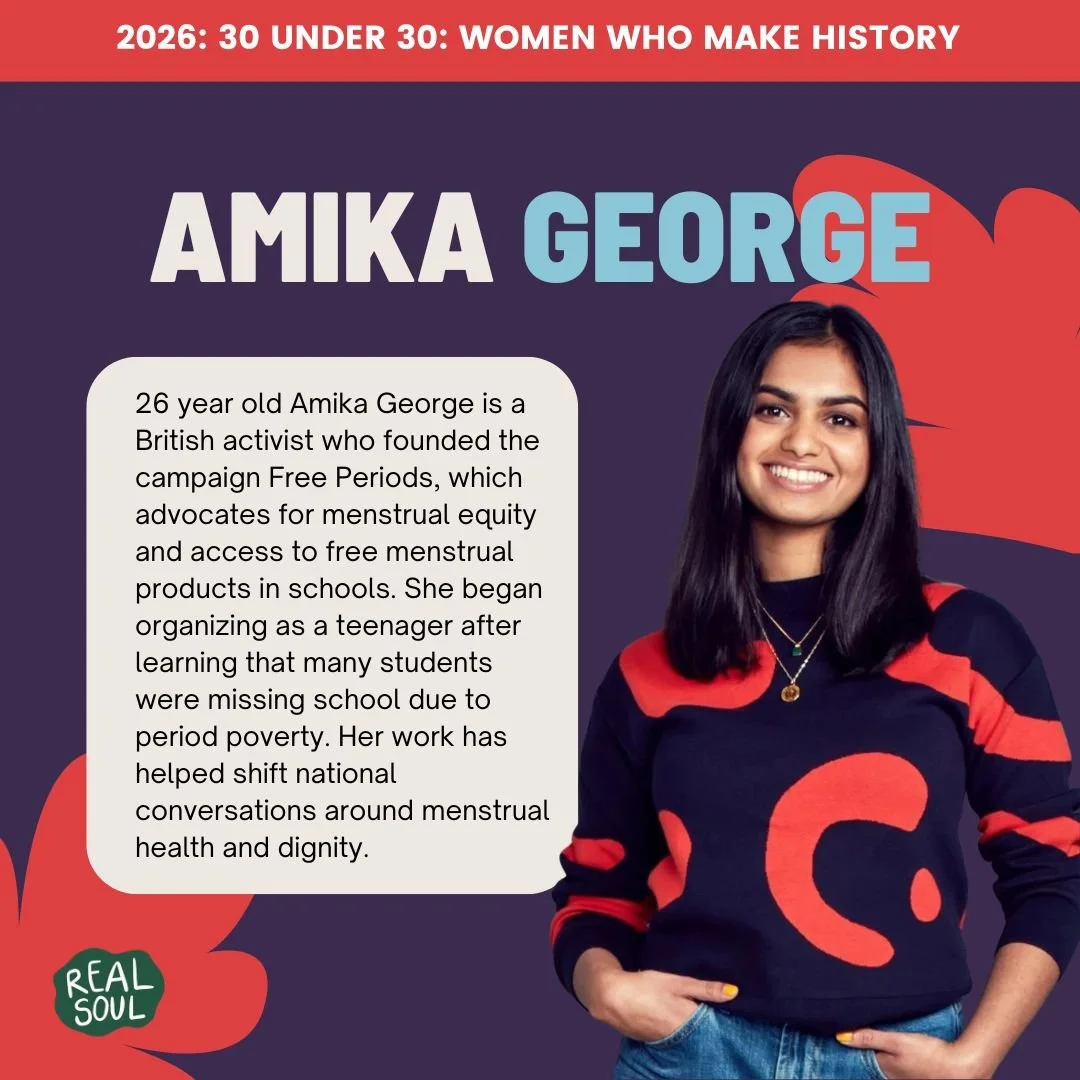
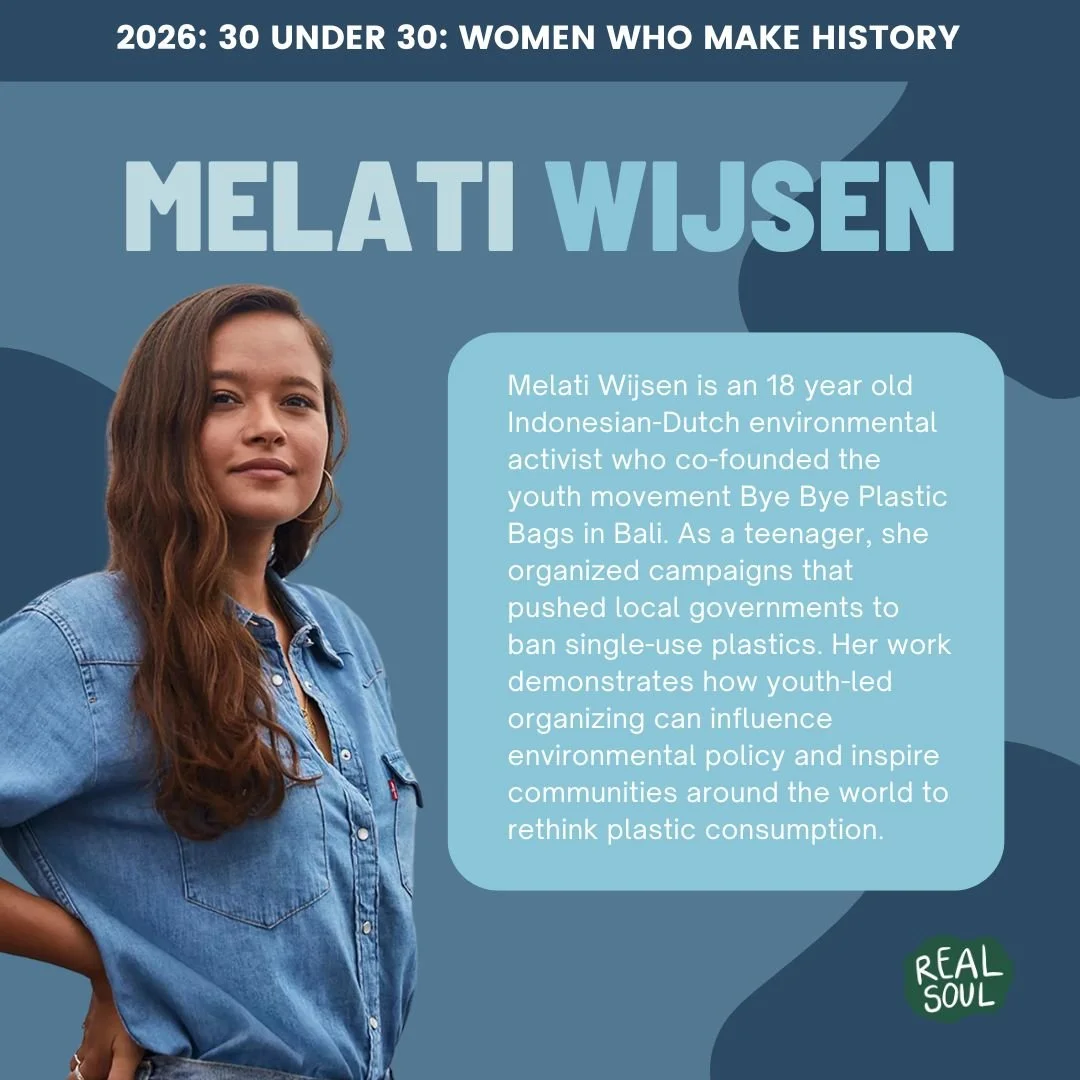
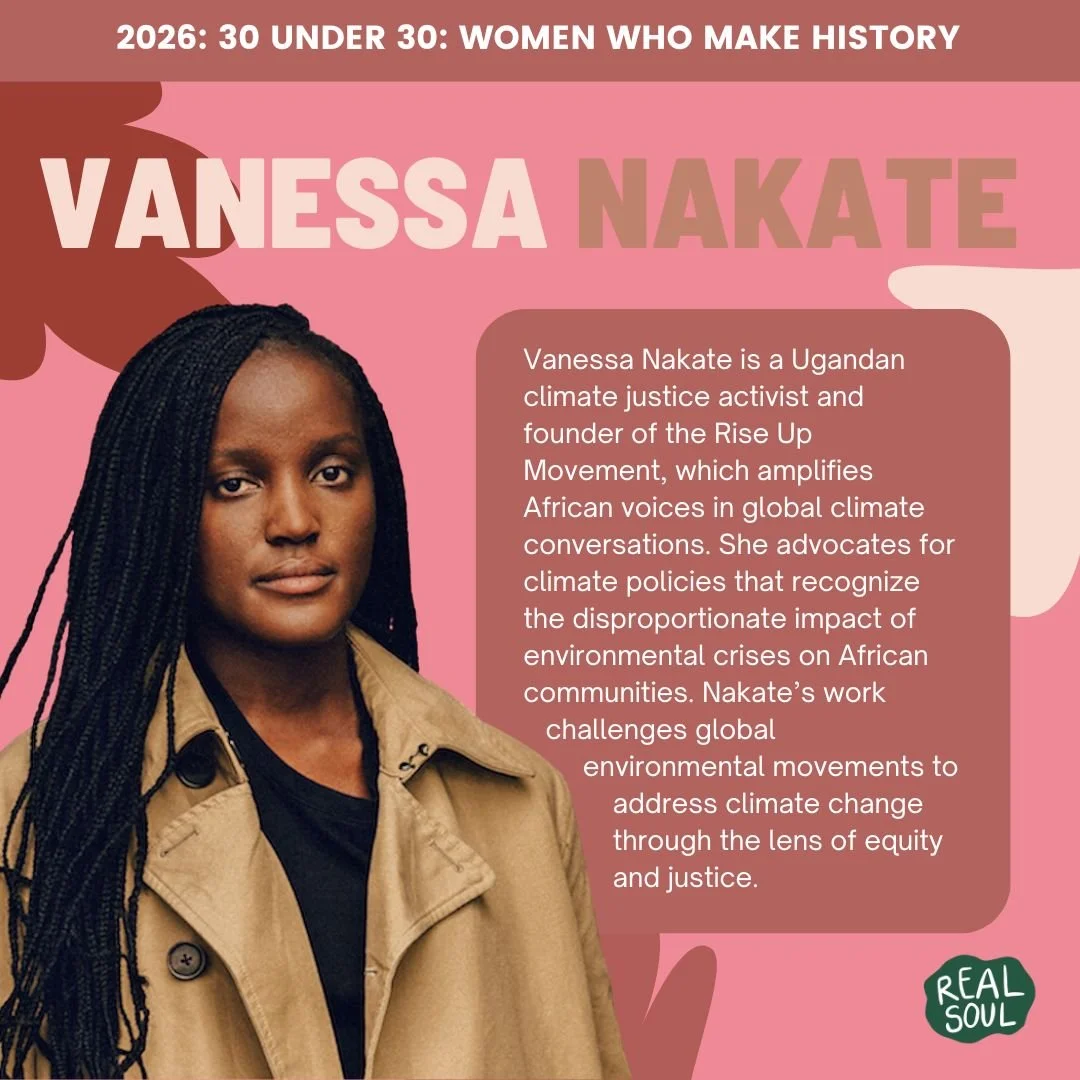
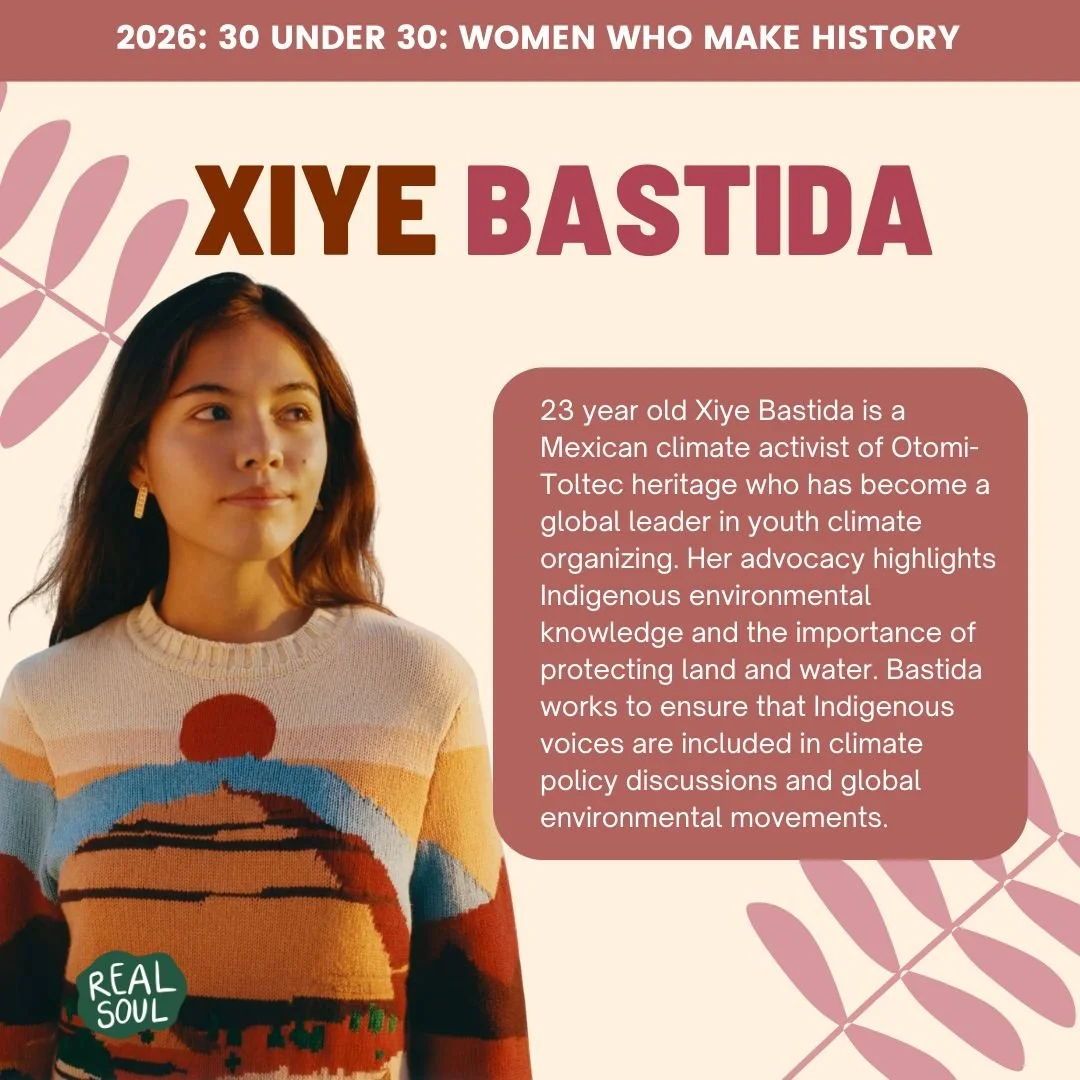
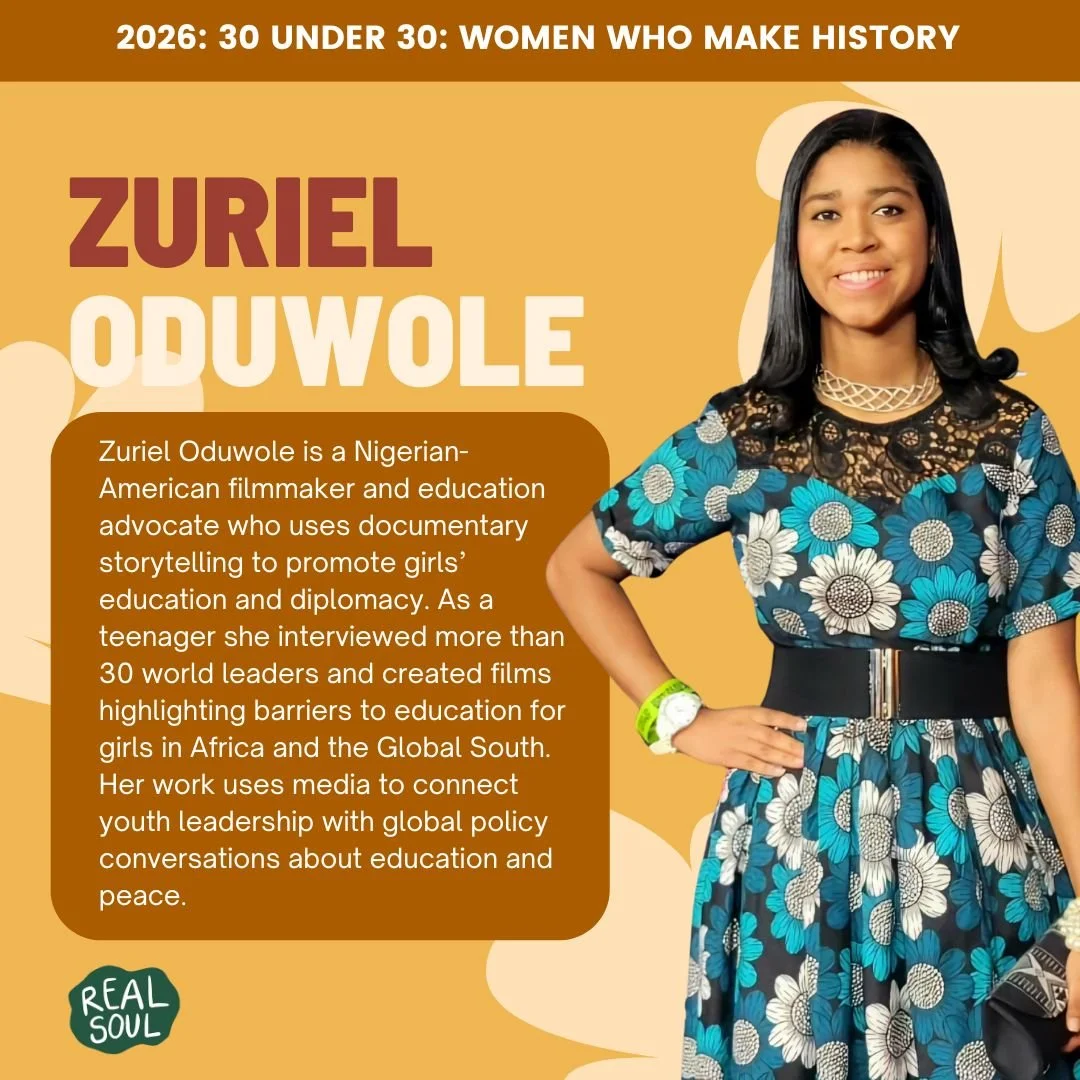
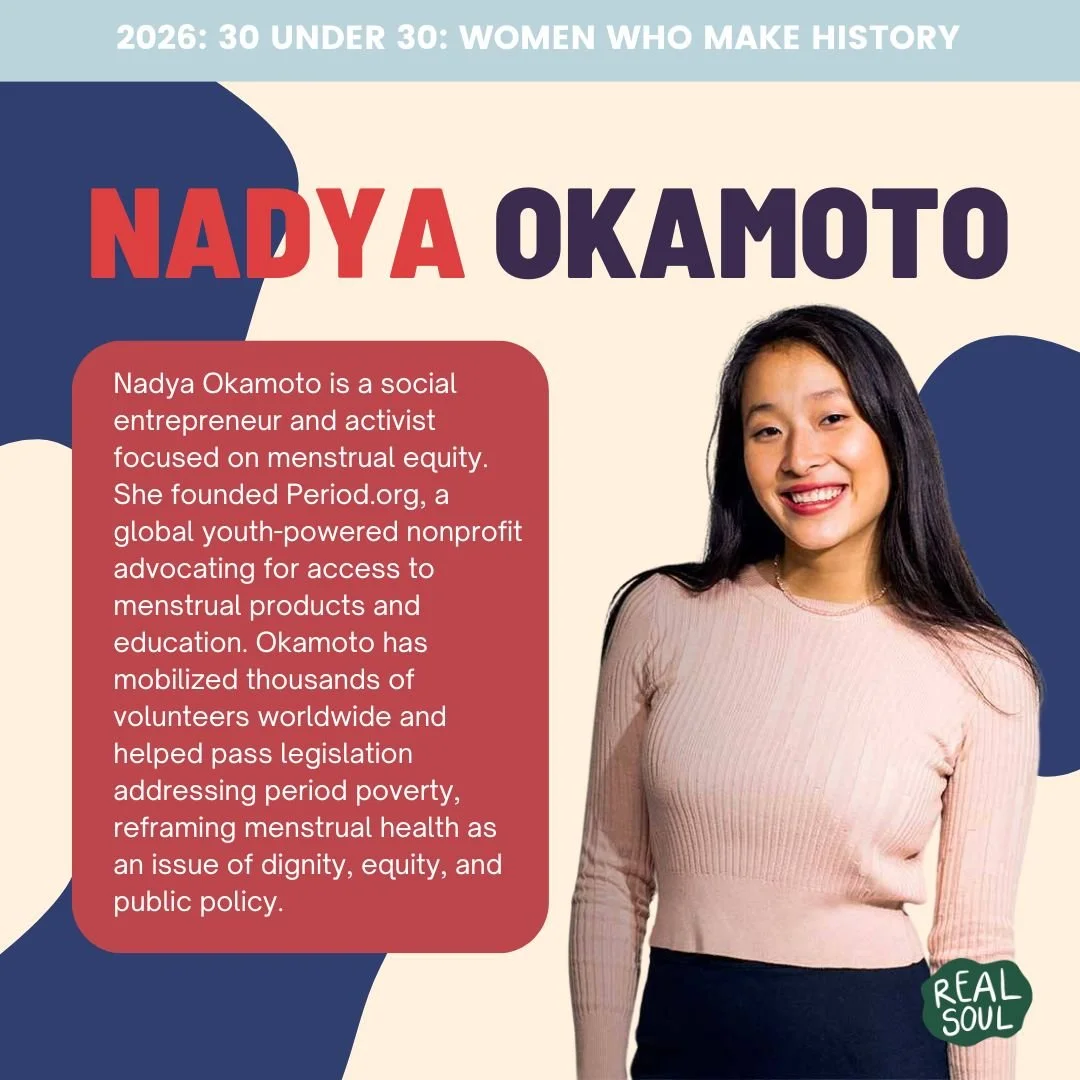
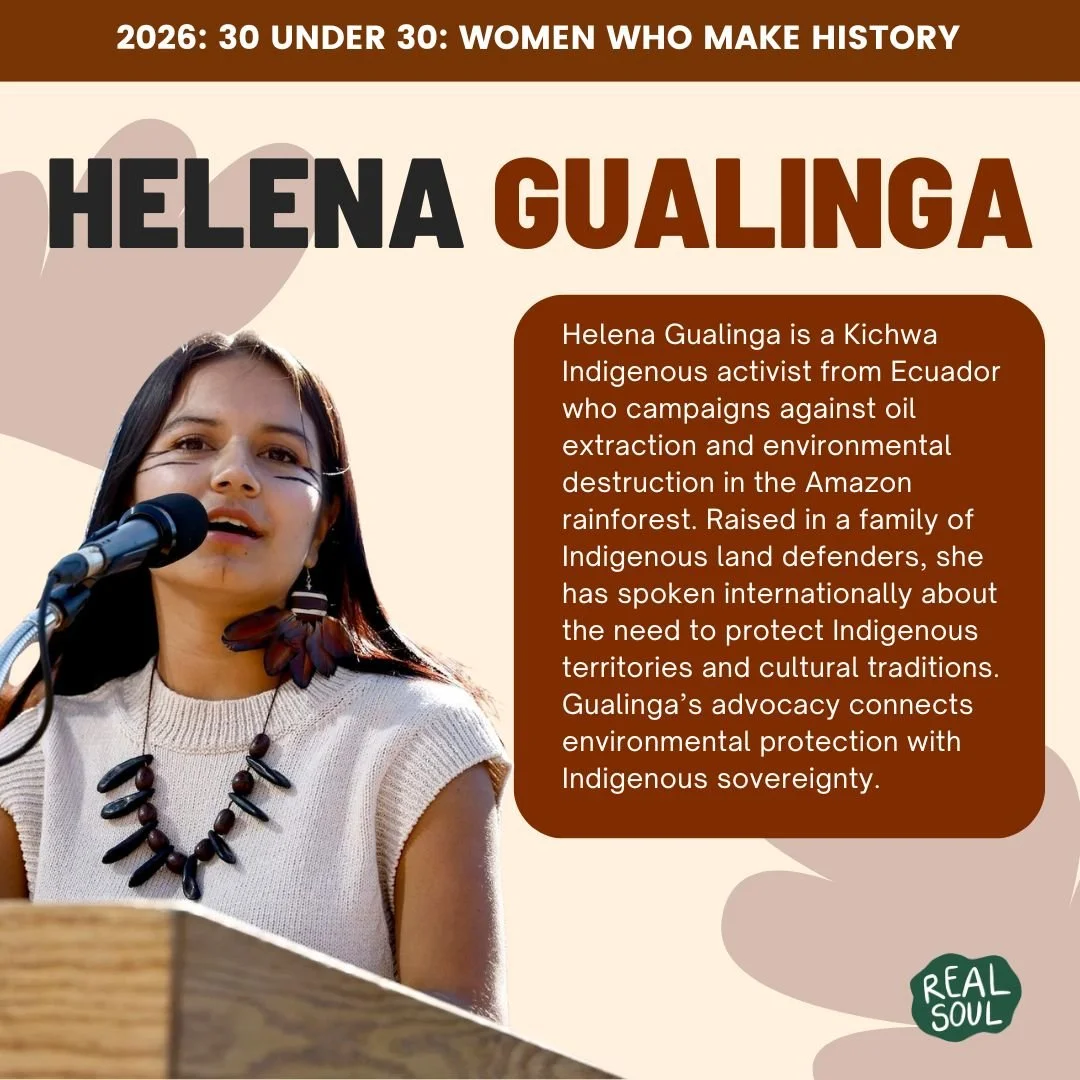
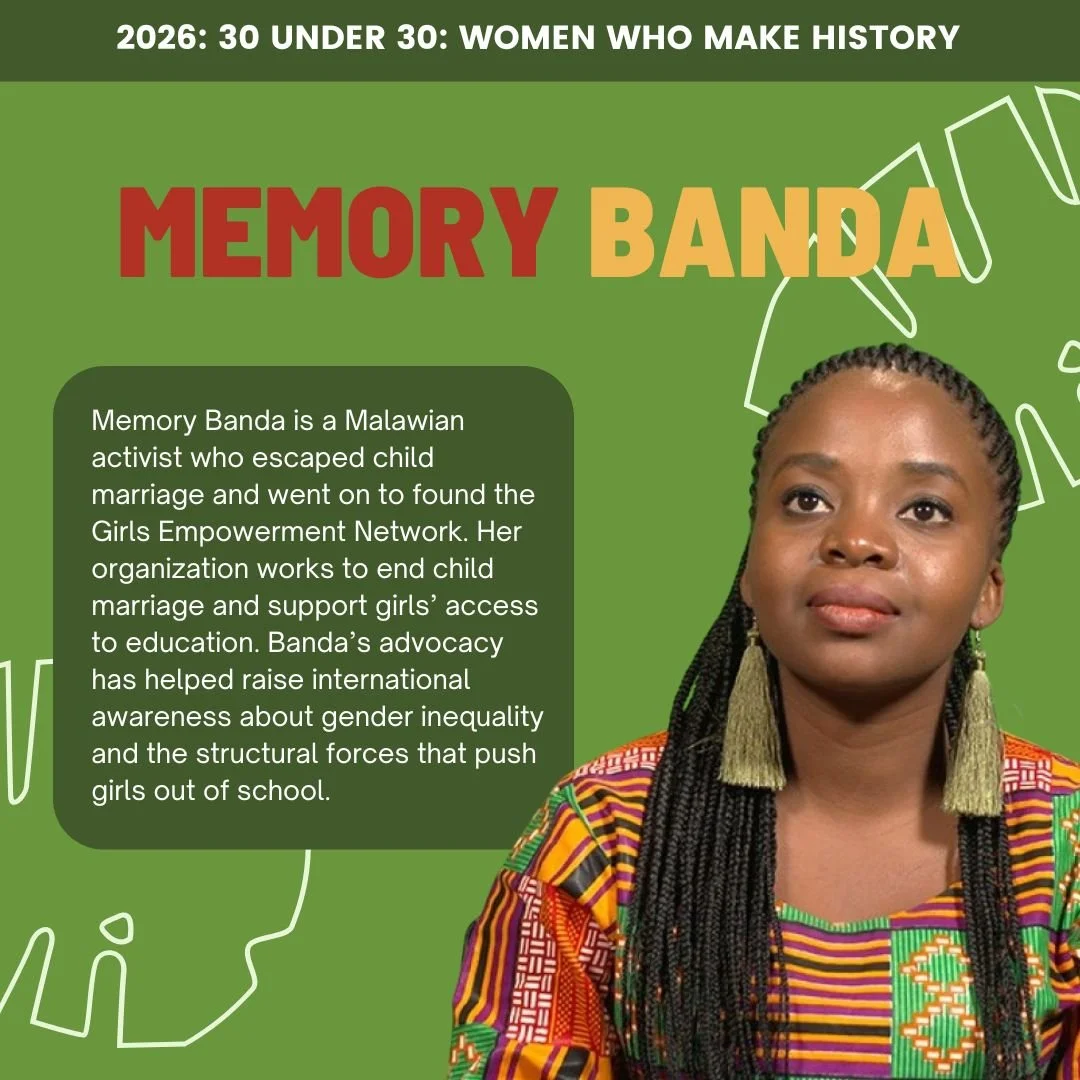
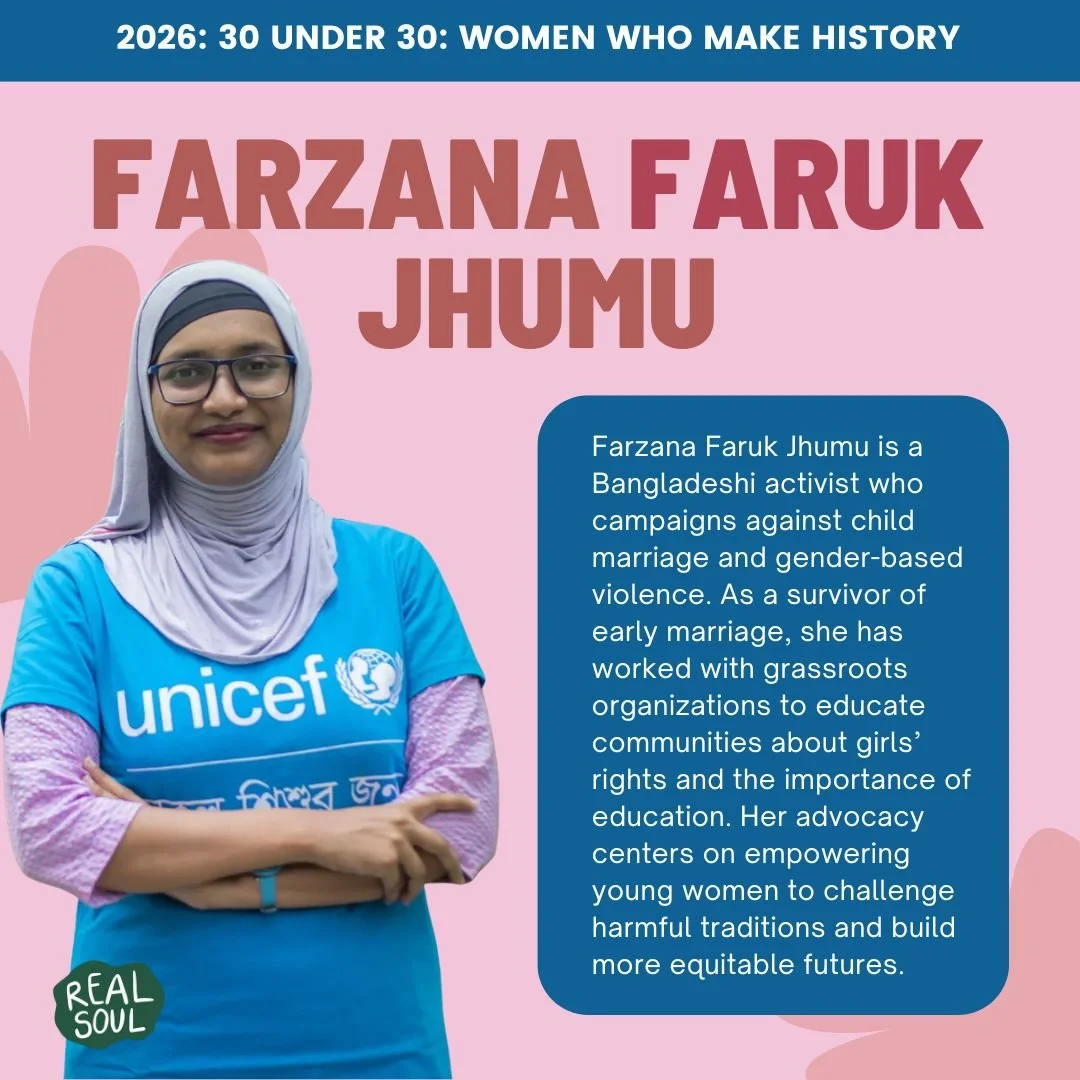
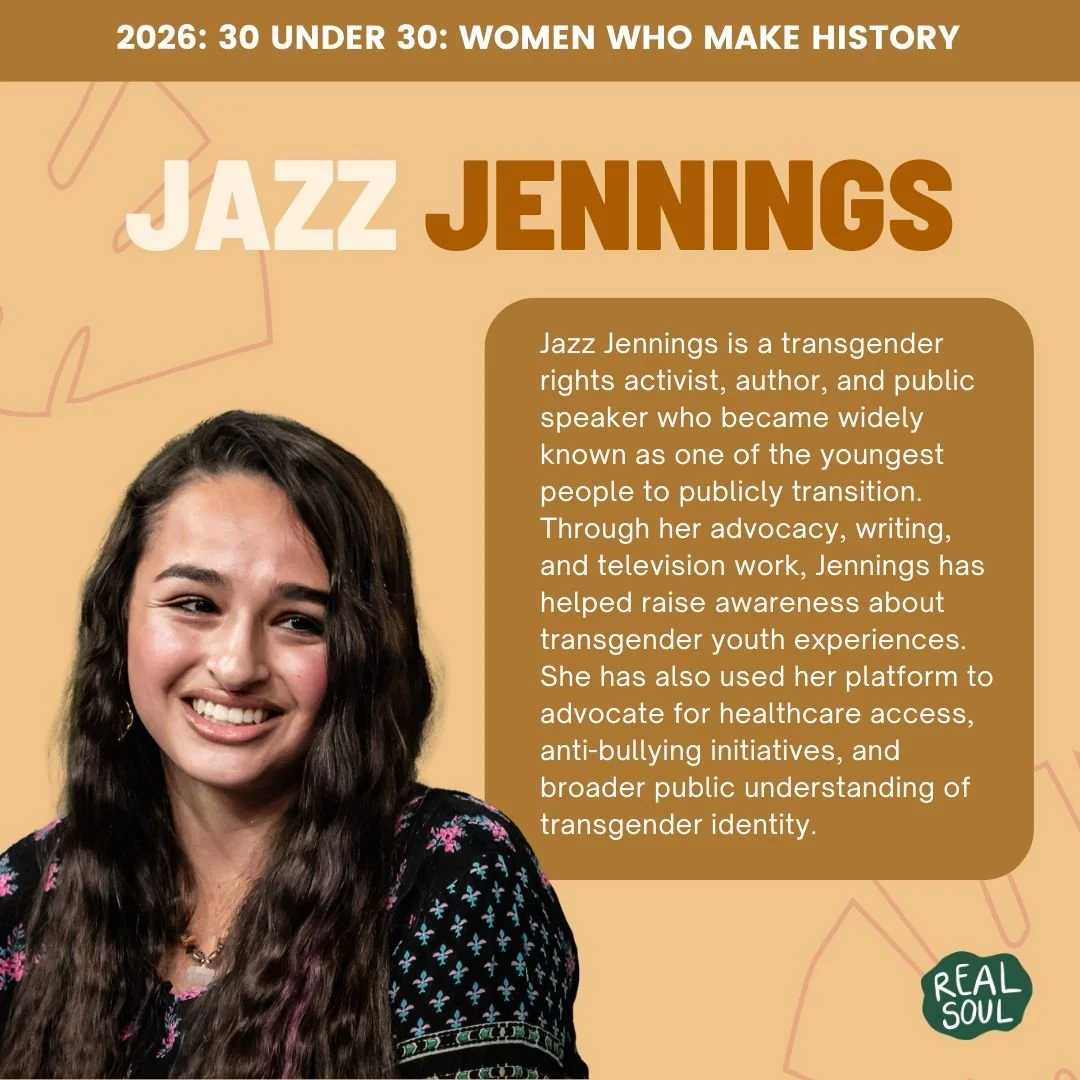
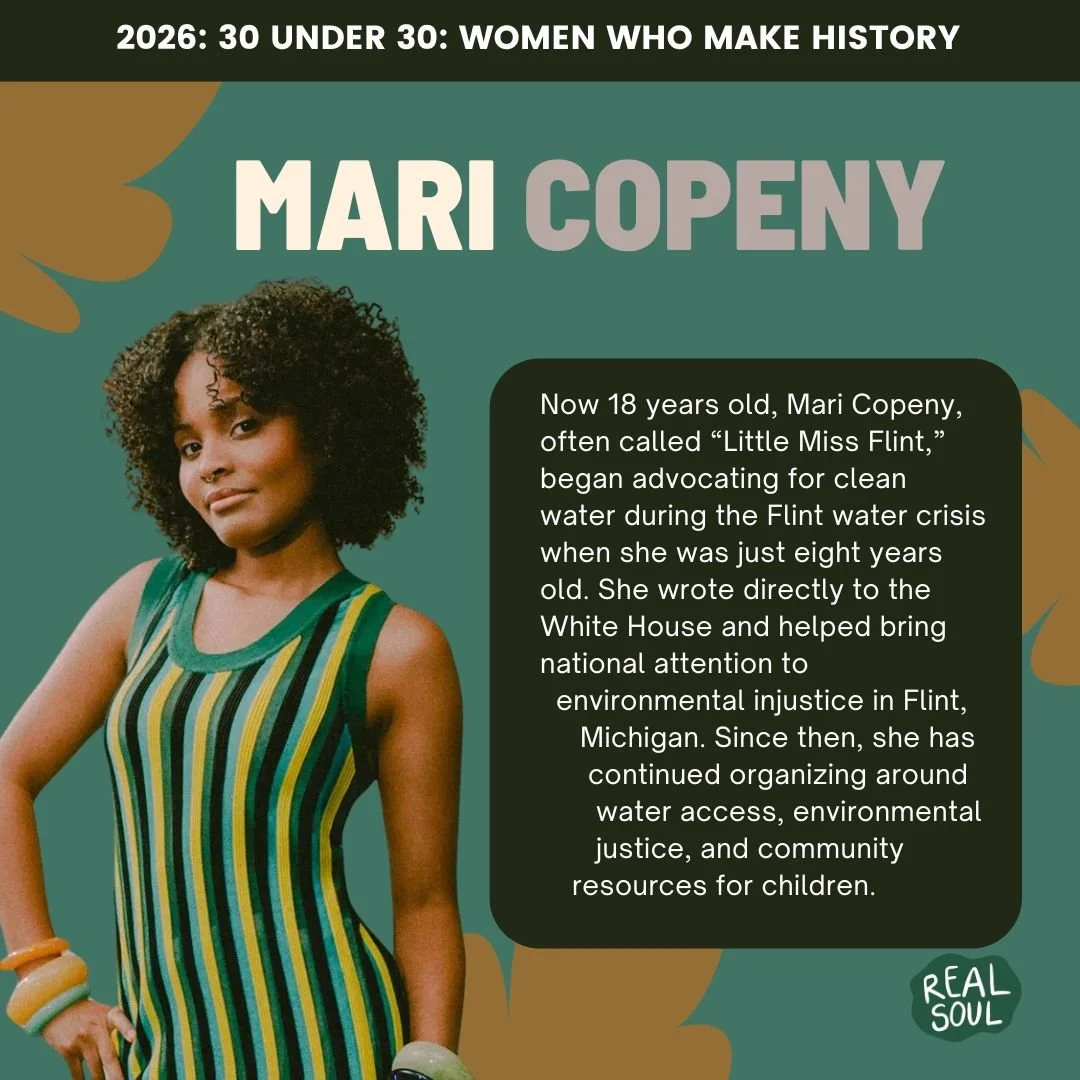
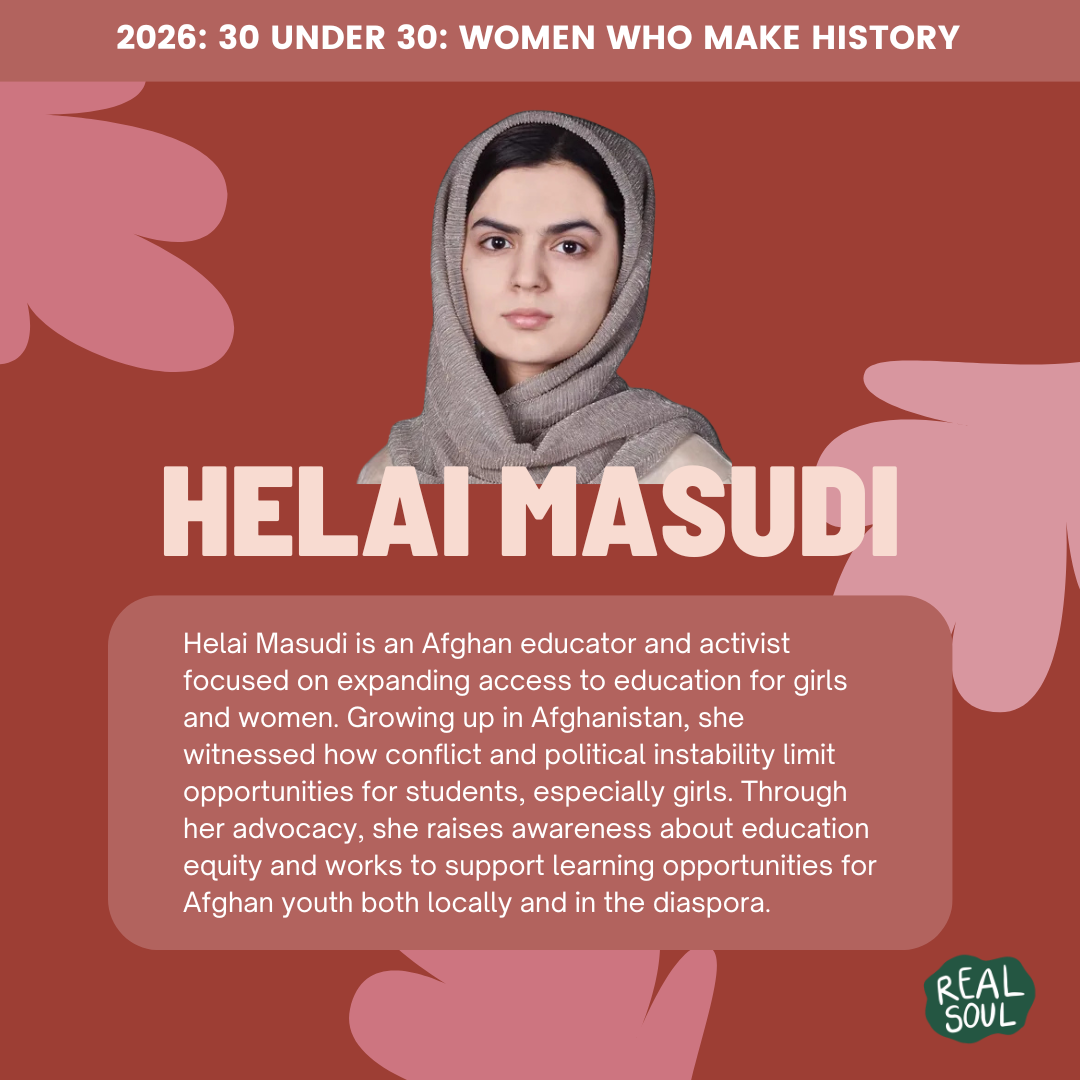
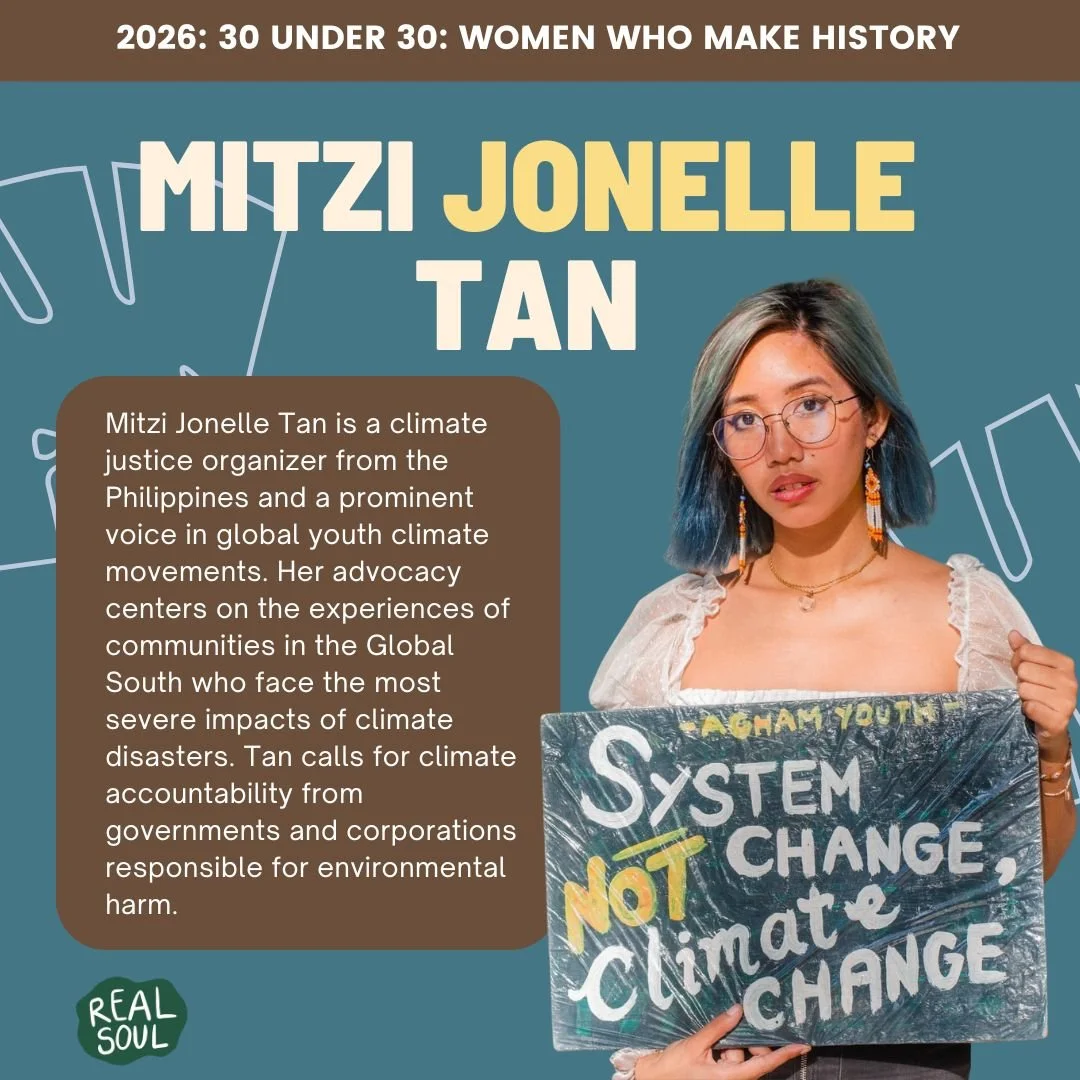
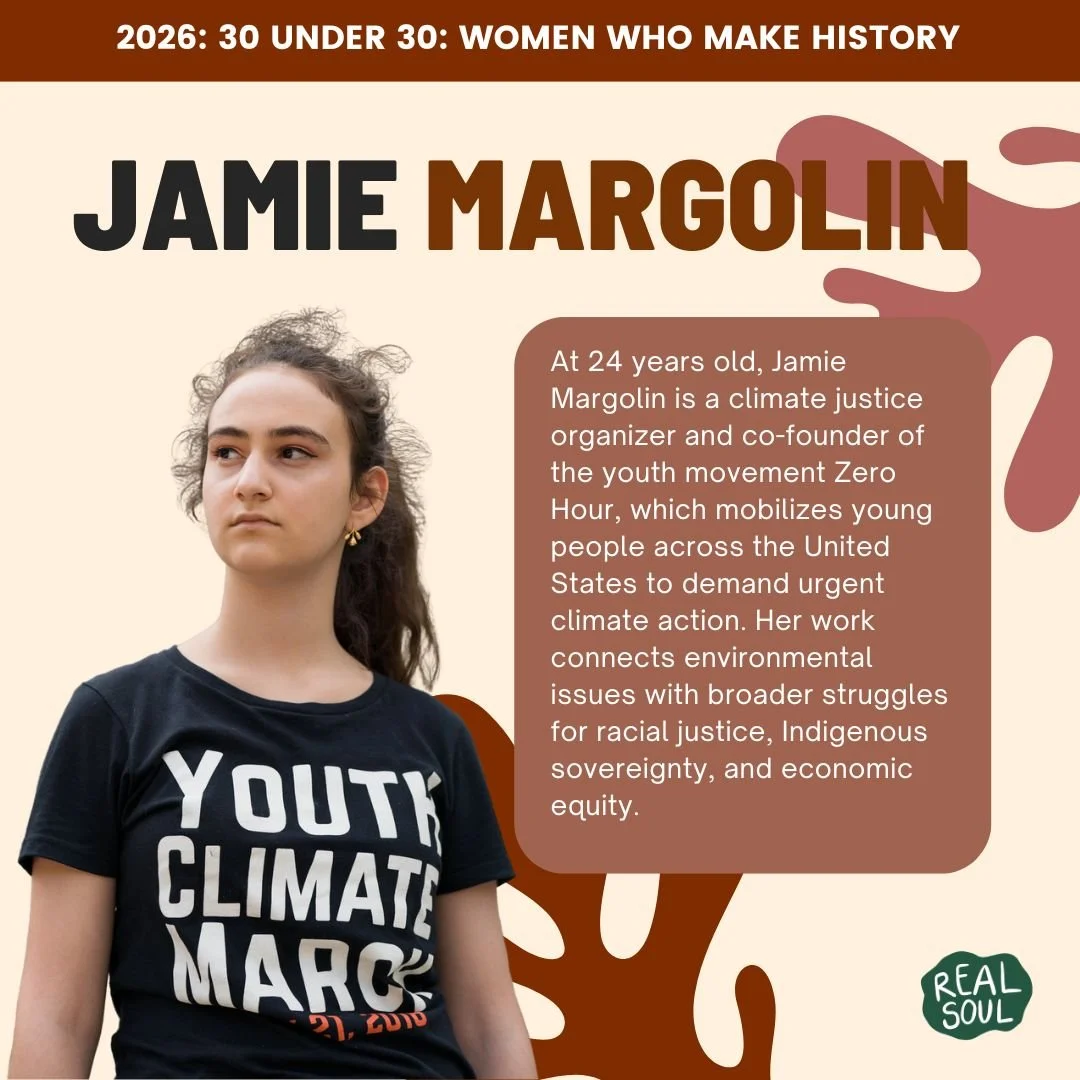
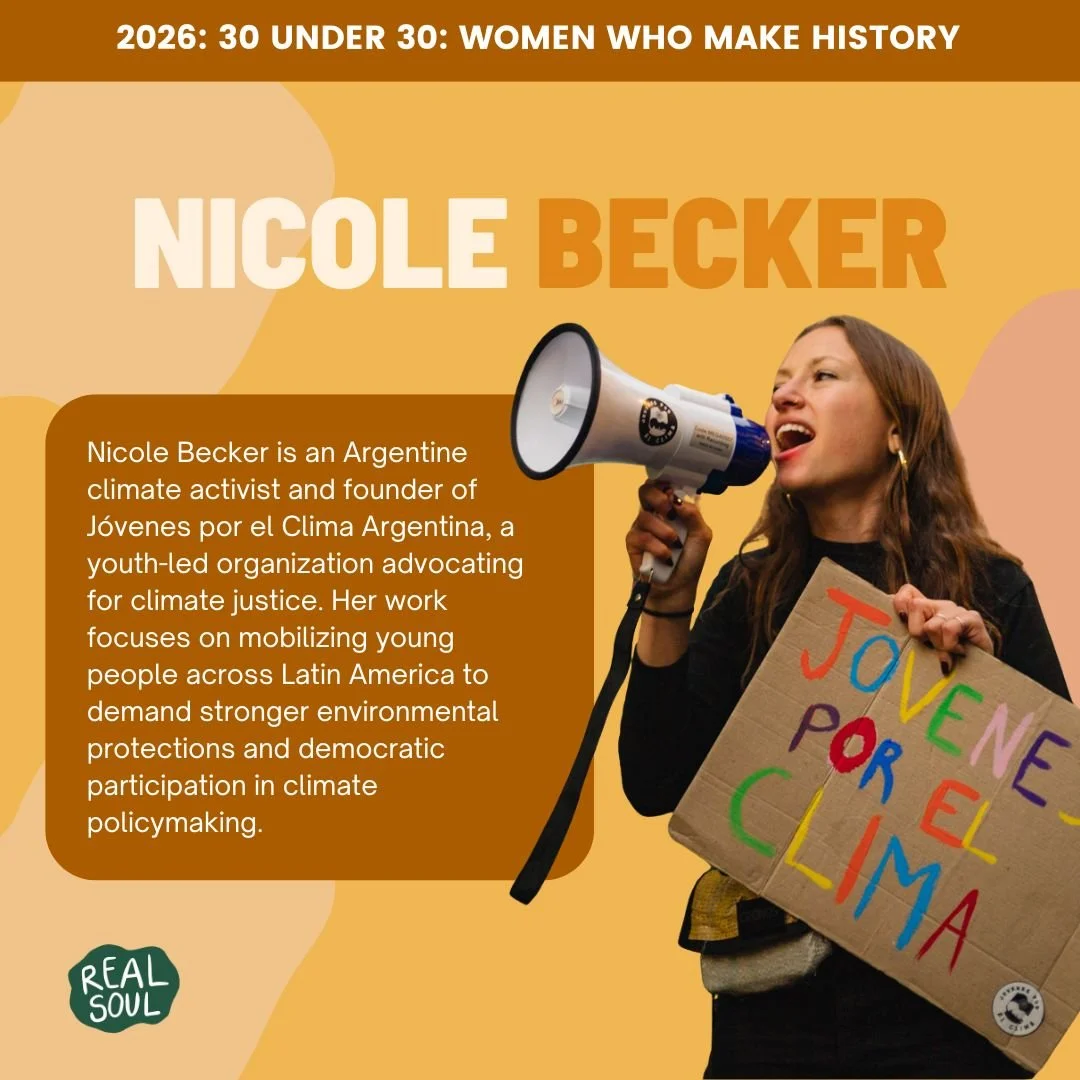
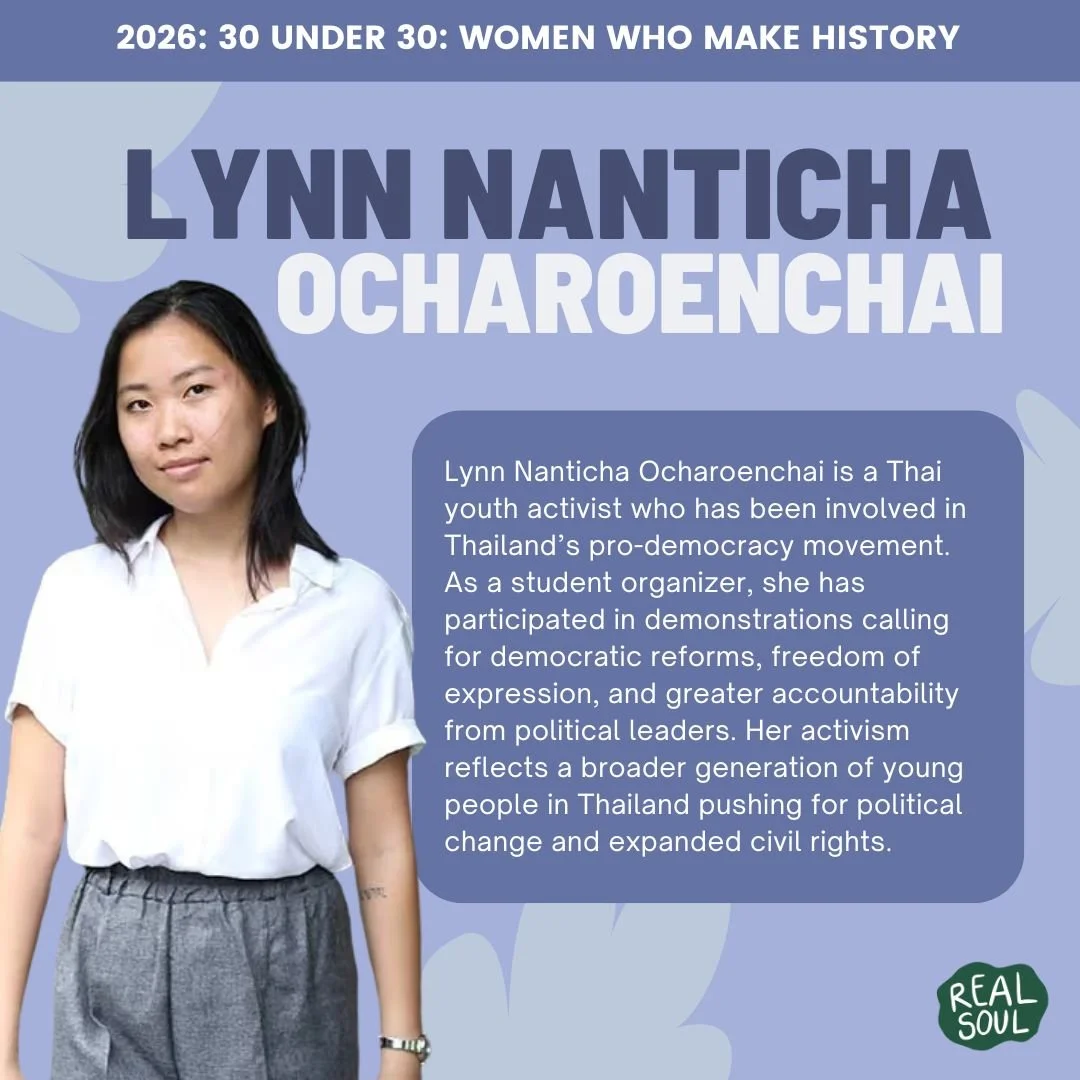
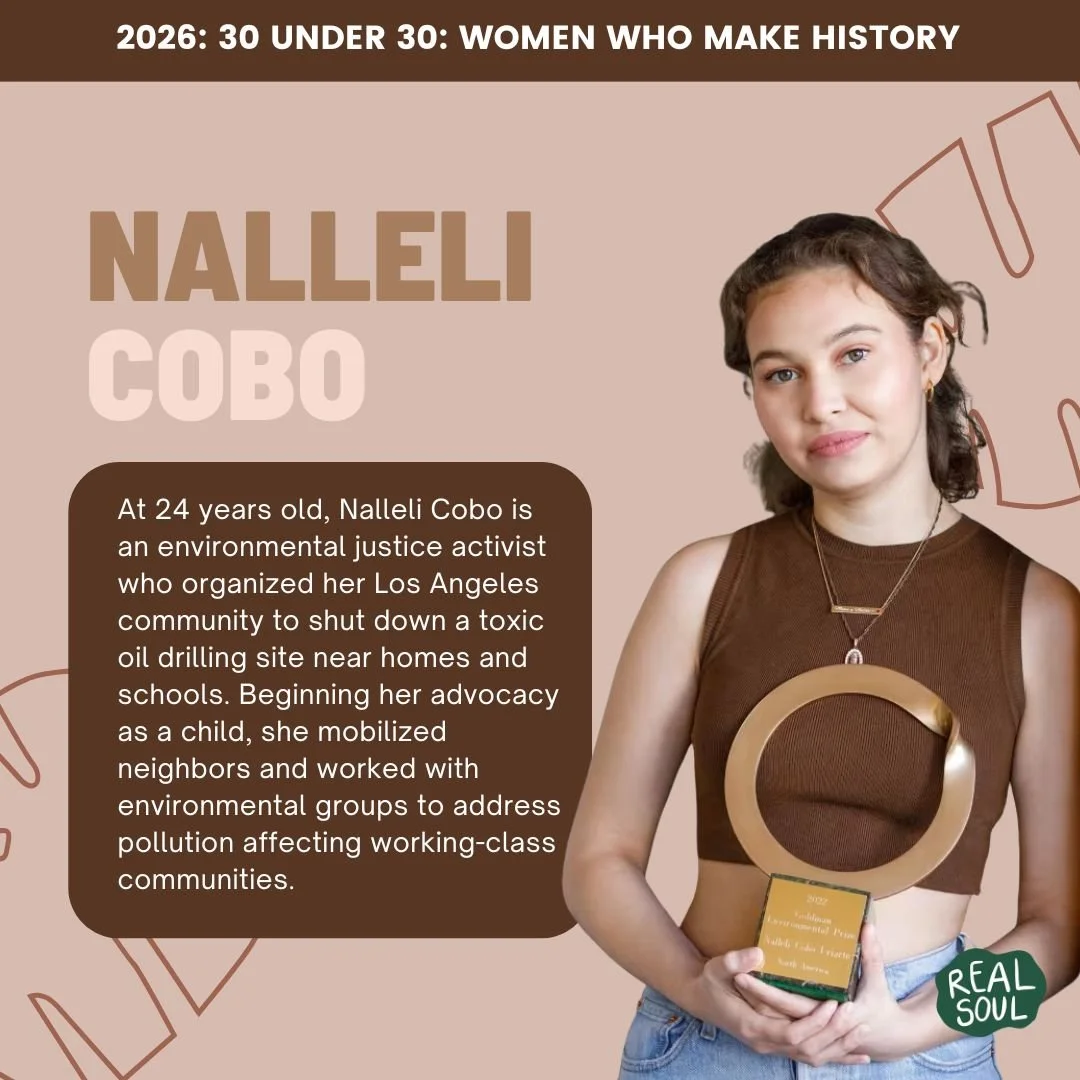
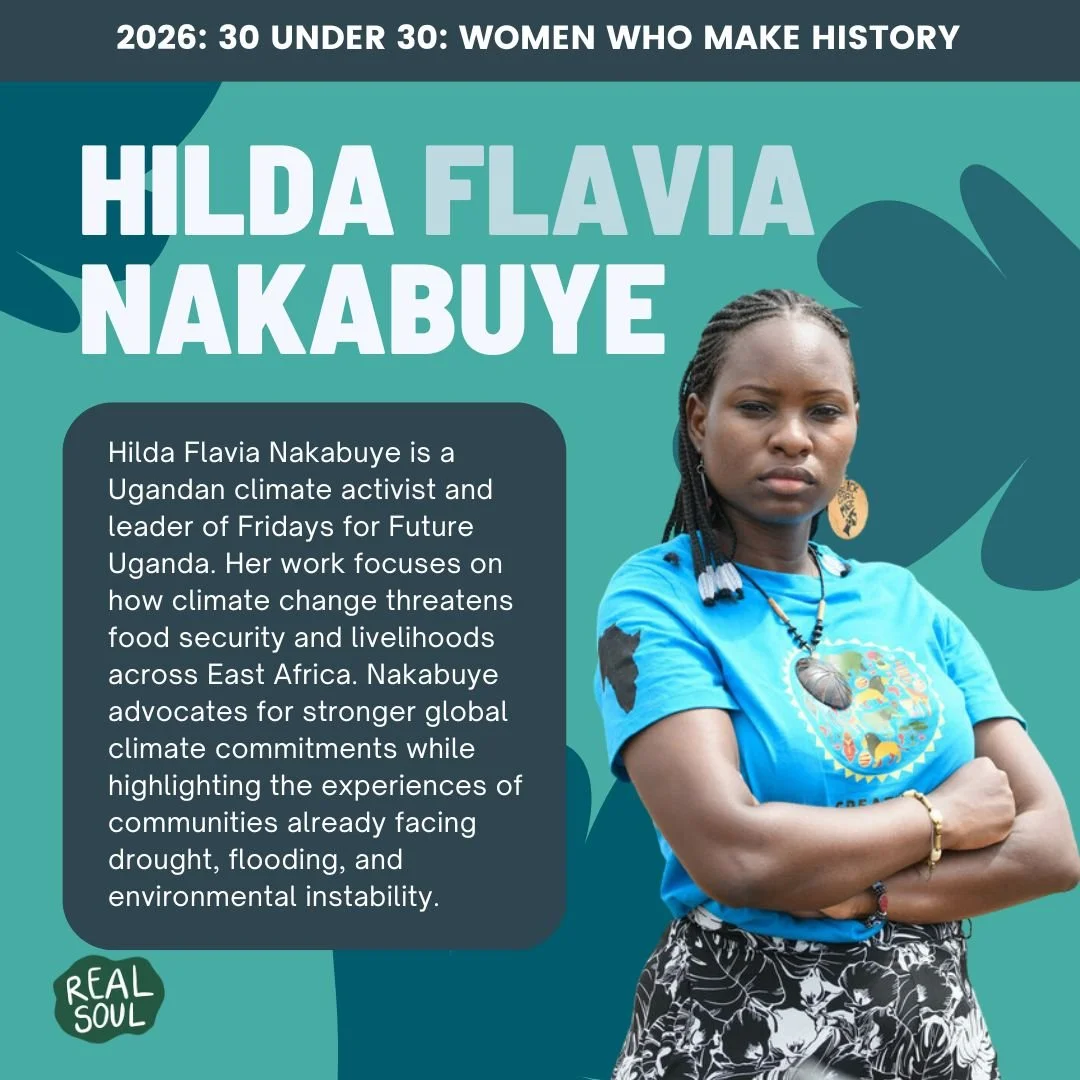
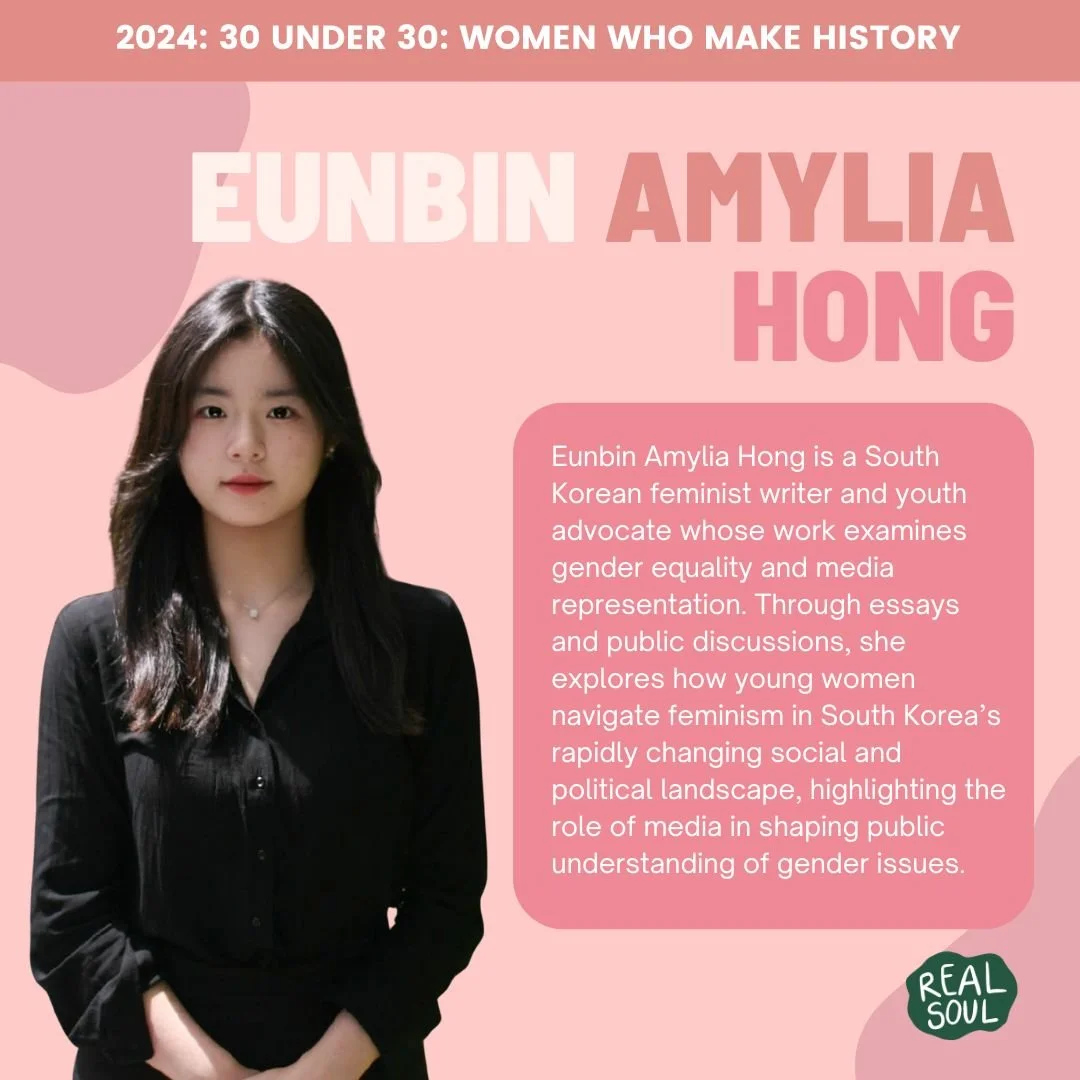
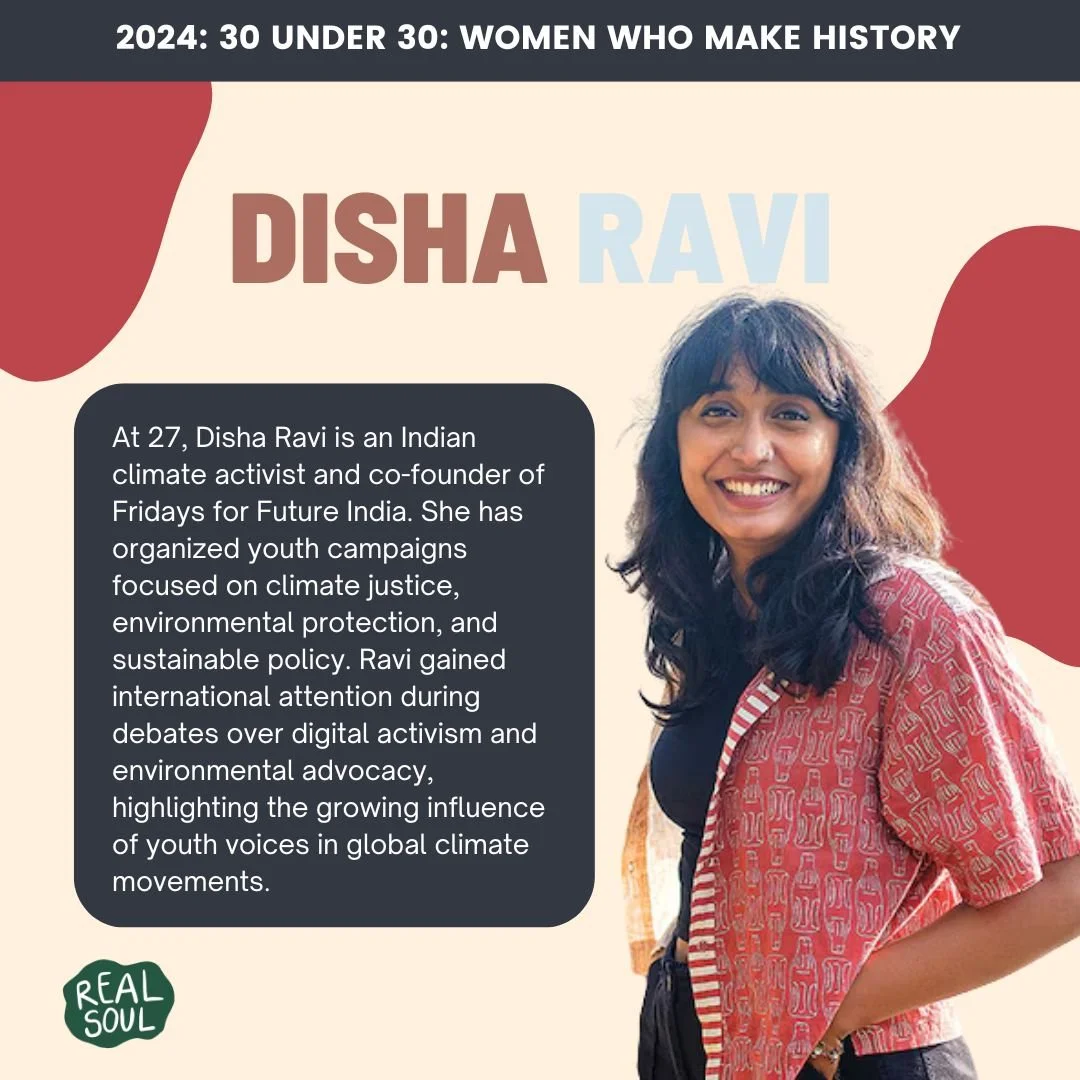
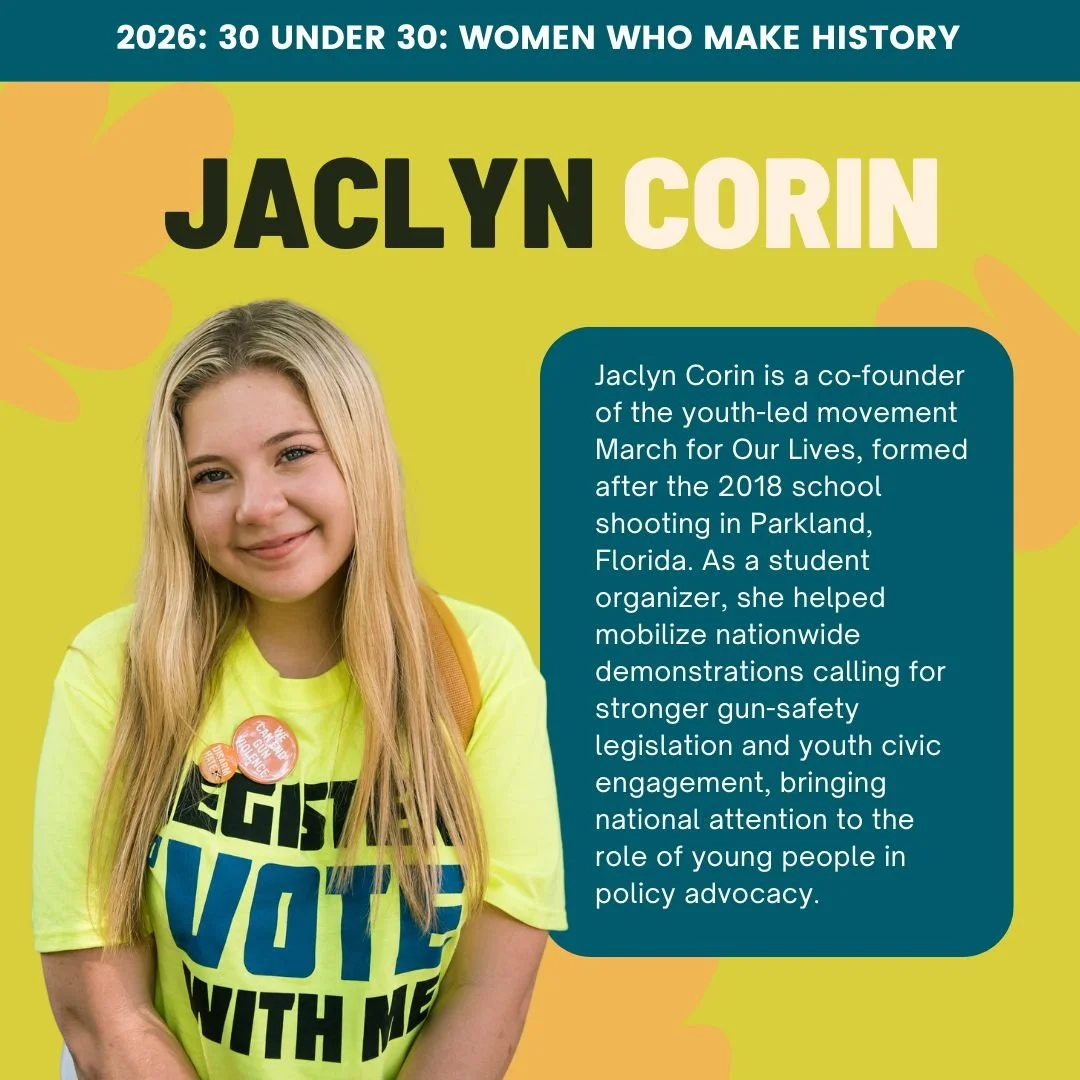
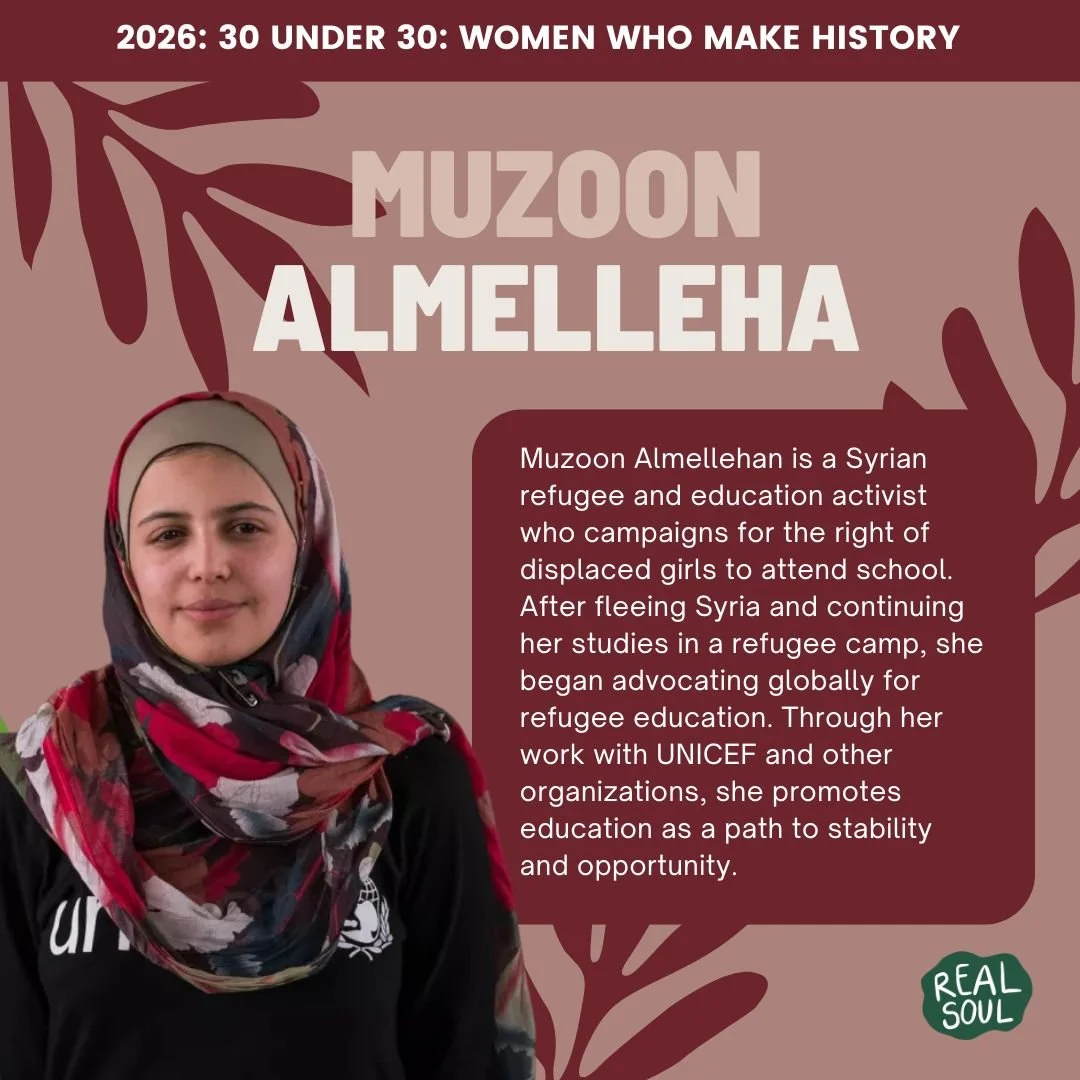
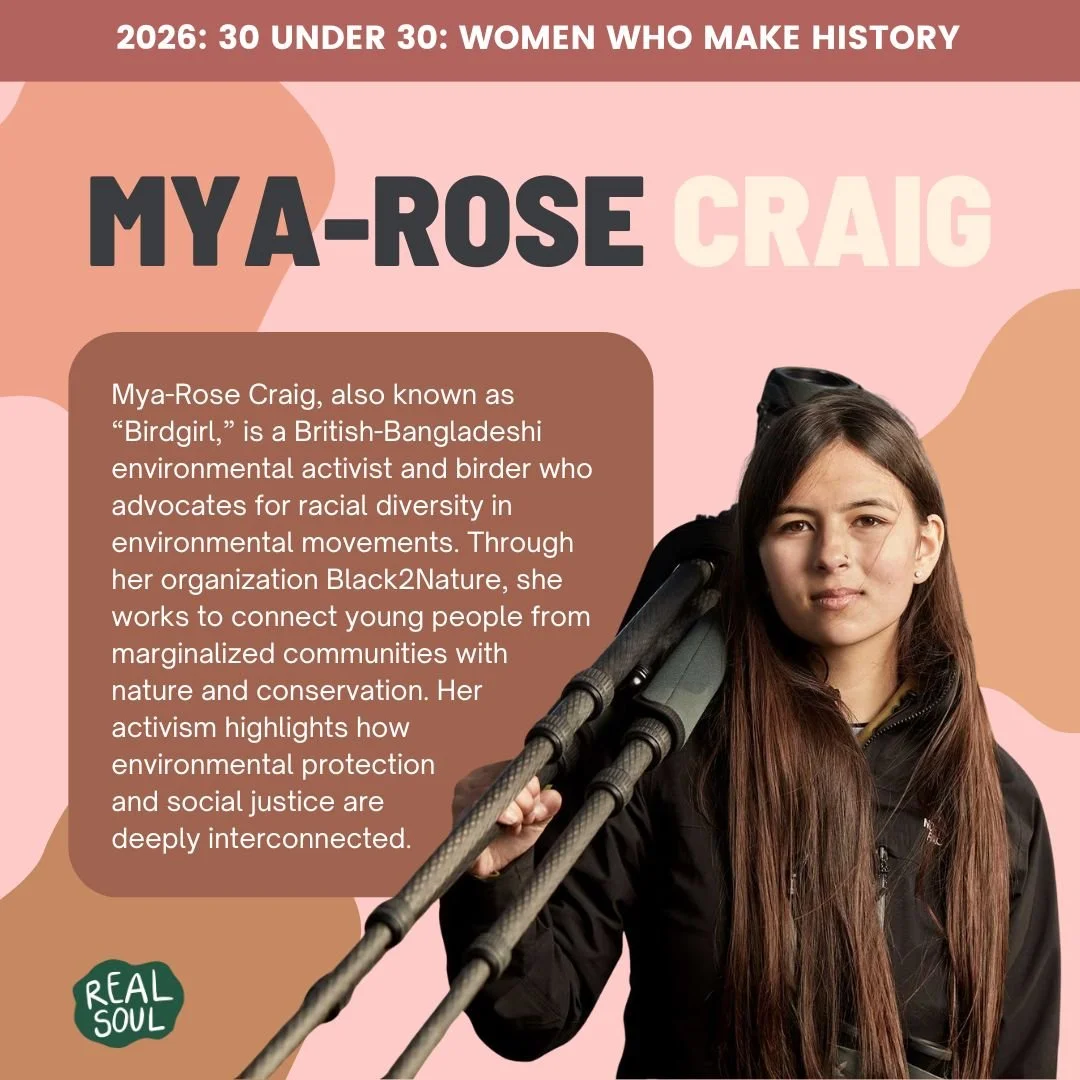
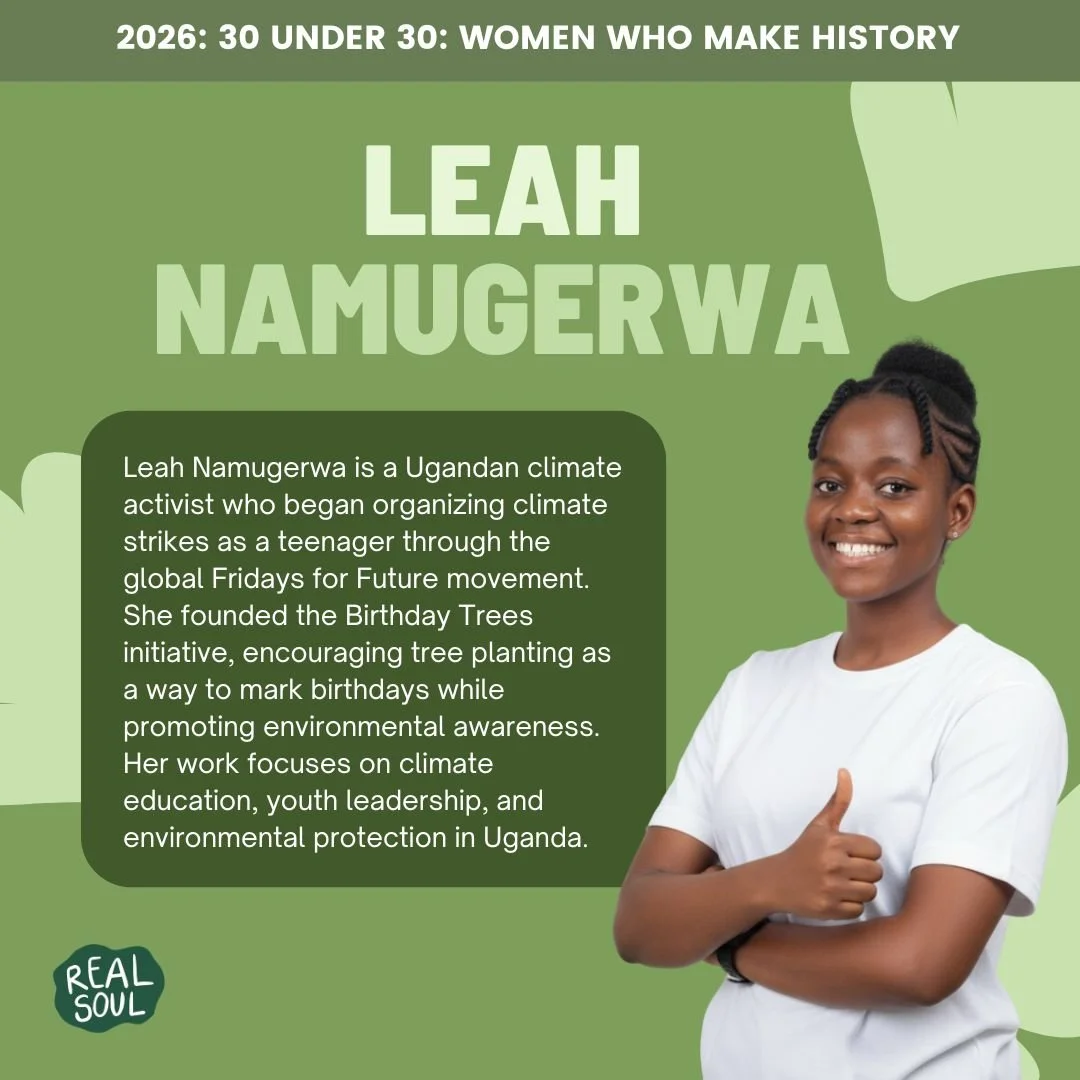
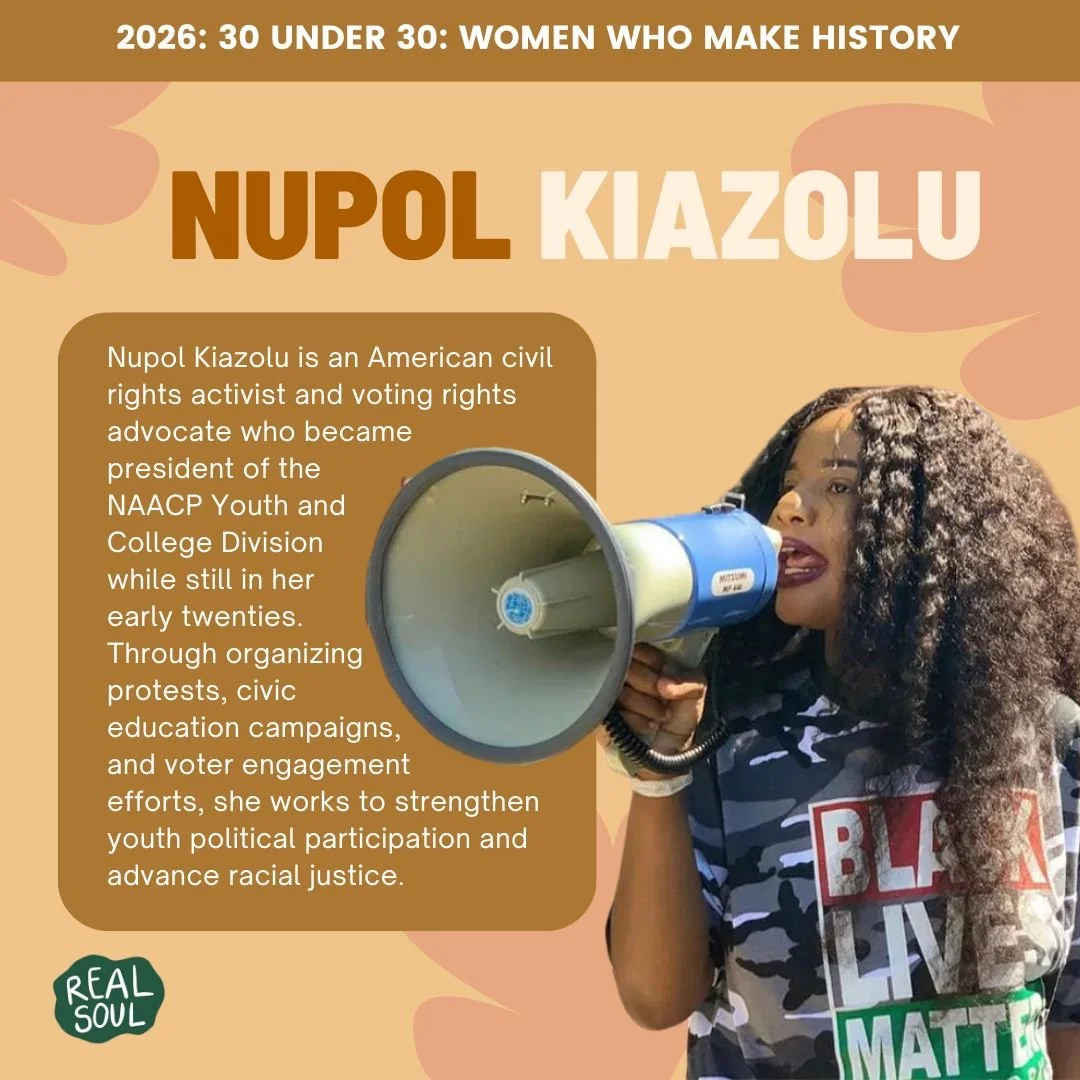
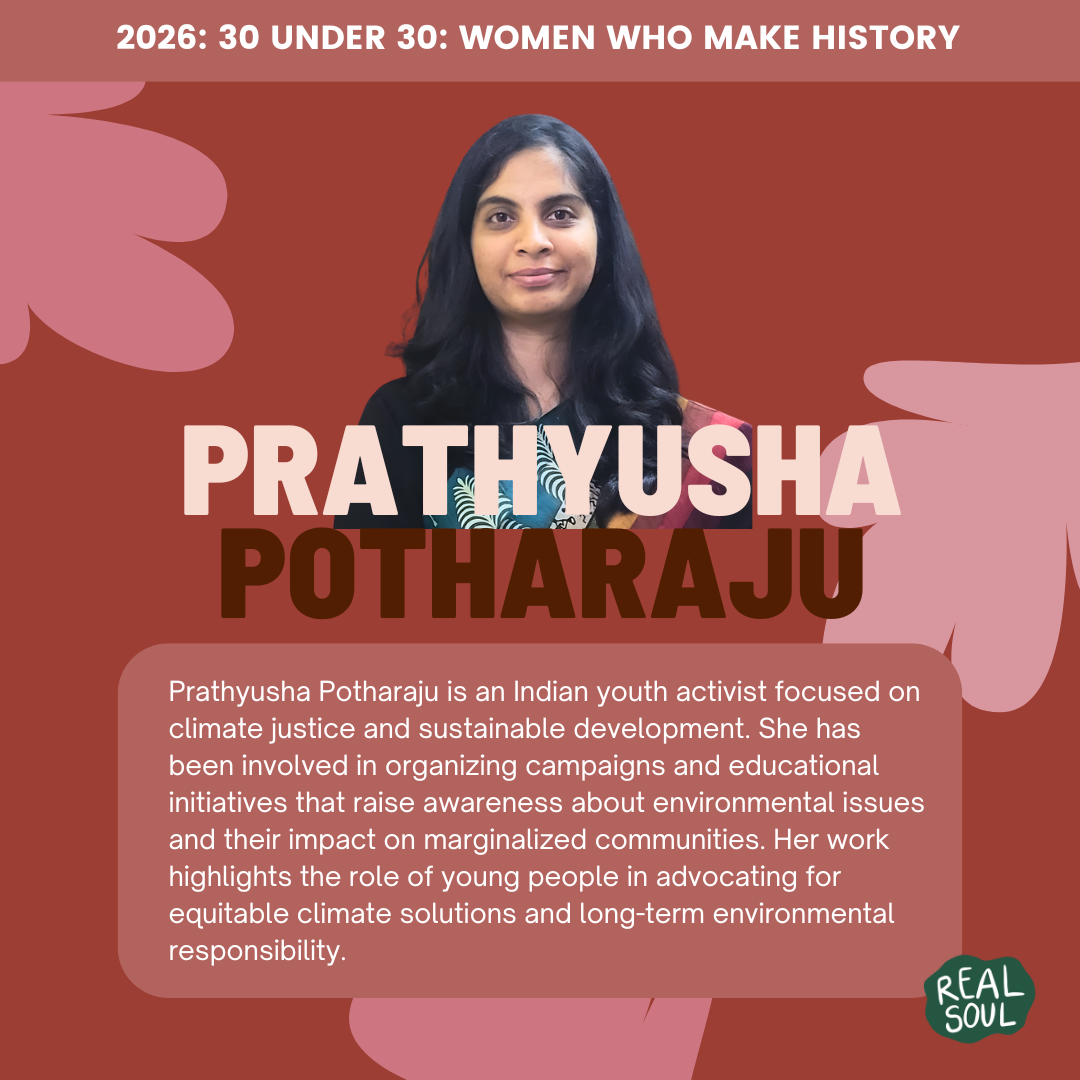
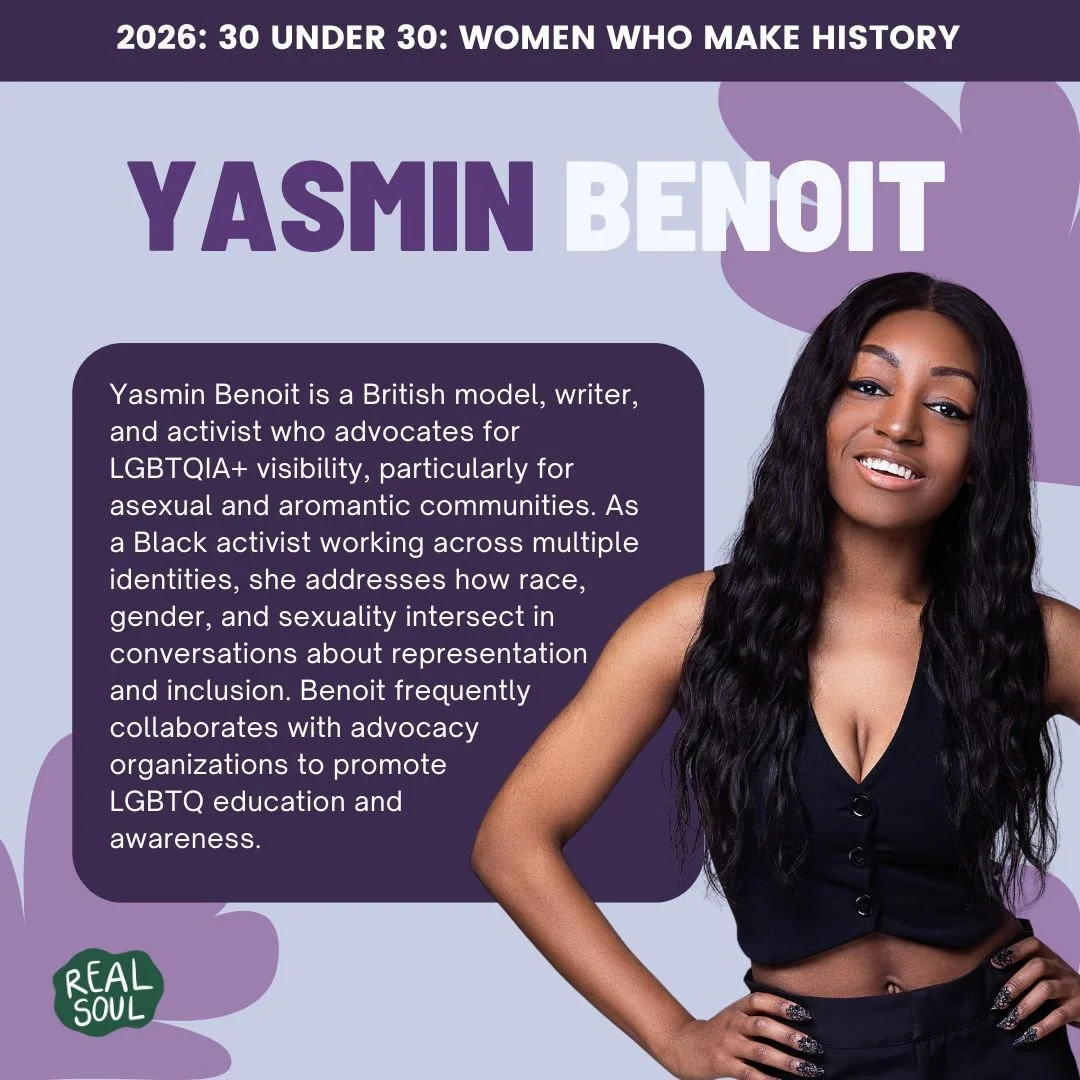
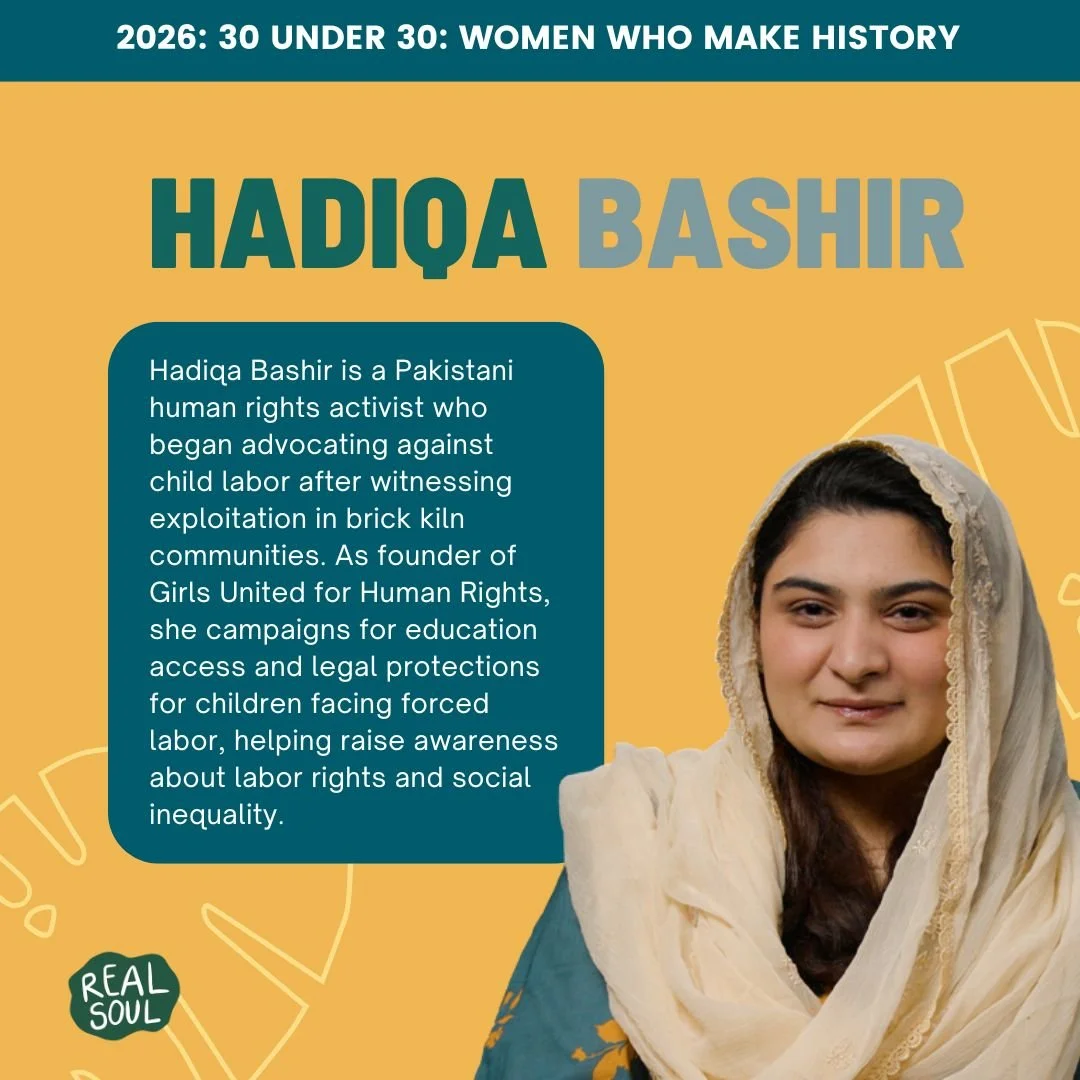
But these profiles of these bright young women don’t do any good if we’re not able to bridge their work from the outside to inside the classroom. Bringing these stories is especially helpful because they can help students see that history is not just shaped by leaders from the past. It’s also shaped by people in the present, including young people not much older than themselves. For teachers, these profiles can become powerful entry points for discussions about civic engagement, empathy, and global awareness.
Here are a few ways educators can incorporate these stories into K–8 classrooms:
Creating Activist Trading Cards: Students choose one activist profile and design a card that includes the person’s name, country, the issue they are working on, and a short summary of their work. Younger students can focus on drawing and identifying key facts, while older students can write brief descriptions explaining the activist’s goals. When students share or “trade” cards with classmates, they learn about multiple activists and begin to recognize patterns across different movements.
“What Would You Change?” Community Brainstorm: After reading about an activist, the class can discuss the problem that person was trying to solve. Teachers can then guide students to reflect on their own communities. What challenges do they notice in their school or neighborhood? Who could they talk to about it? What small actions might help address the issue? This activity helps students see that activism often begins with paying attention to the world around them.
Global Activism Map: Students place activists on a world map and identify the issues they work on, such as climate justice, education, or human rights. Teachers can then facilitate a discussion about how different communities experience different challenges. Students begin to see that while problems may look different across countries, many of them are connected.
Together, these activities encourage students to think critically about leadership, justice, and community responsibility. They also remind students that change does not only come from governments or institutions. It often begins with individuals who decide to speak up, organize, and care for the communities around them.
At REALSOUL, we believe classrooms can be spaces where students learn not only about history, but also about the possibilities for shaping the future. By introducing young women activists from around the world, educators can help students see that solidarity is not just an idea. It is a practice of learning from one another and working together across borders for a more just world.
